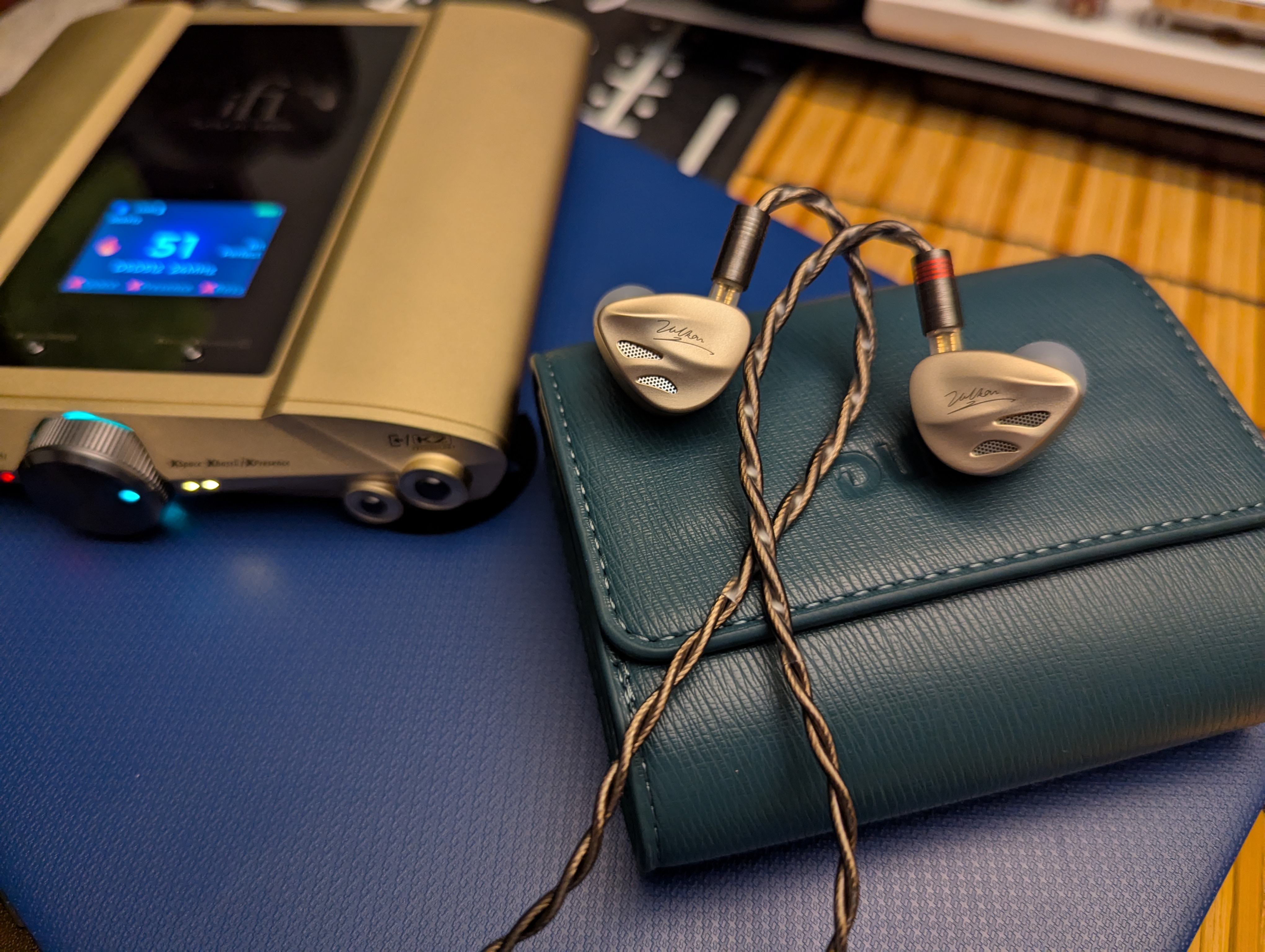
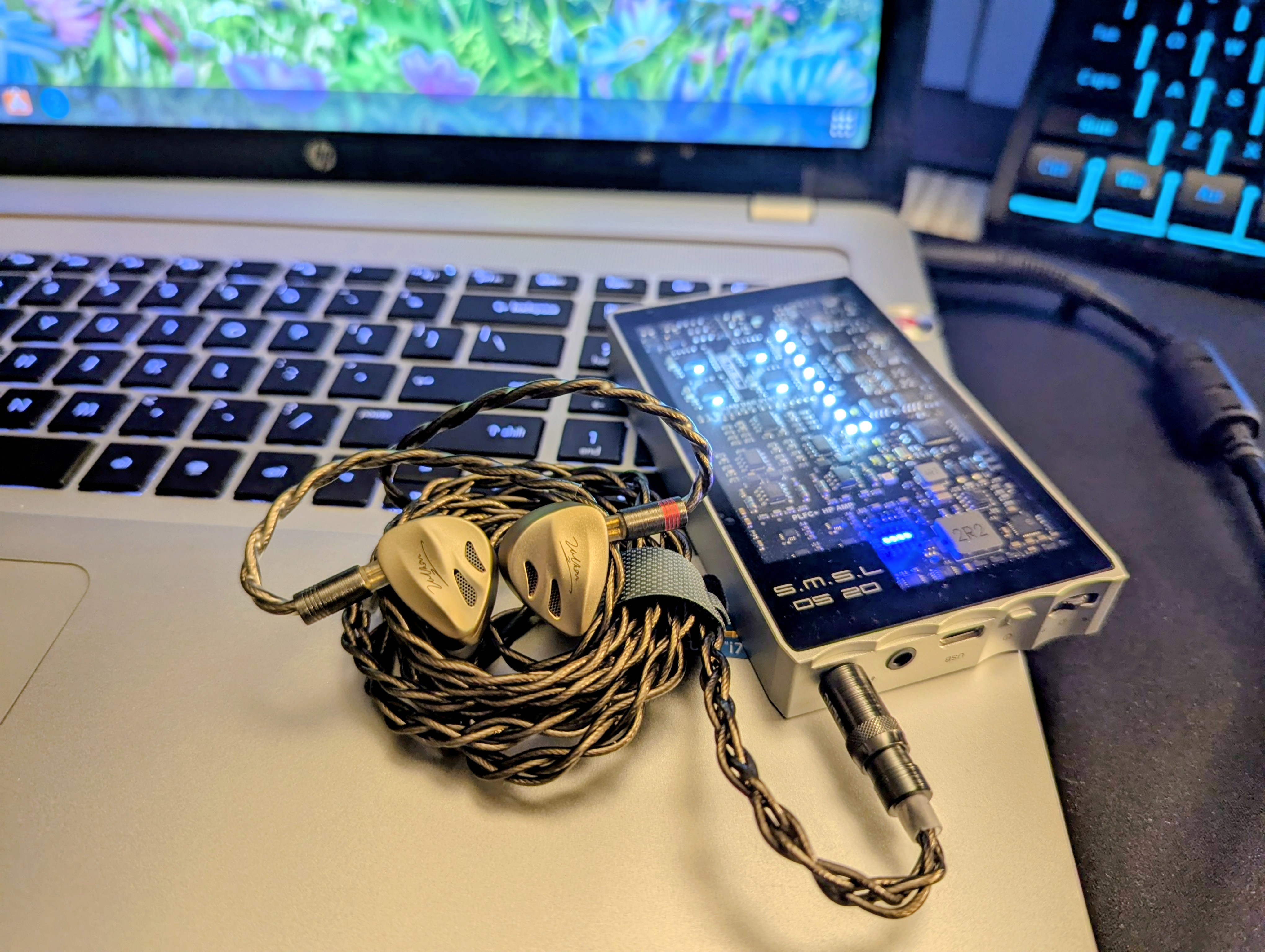
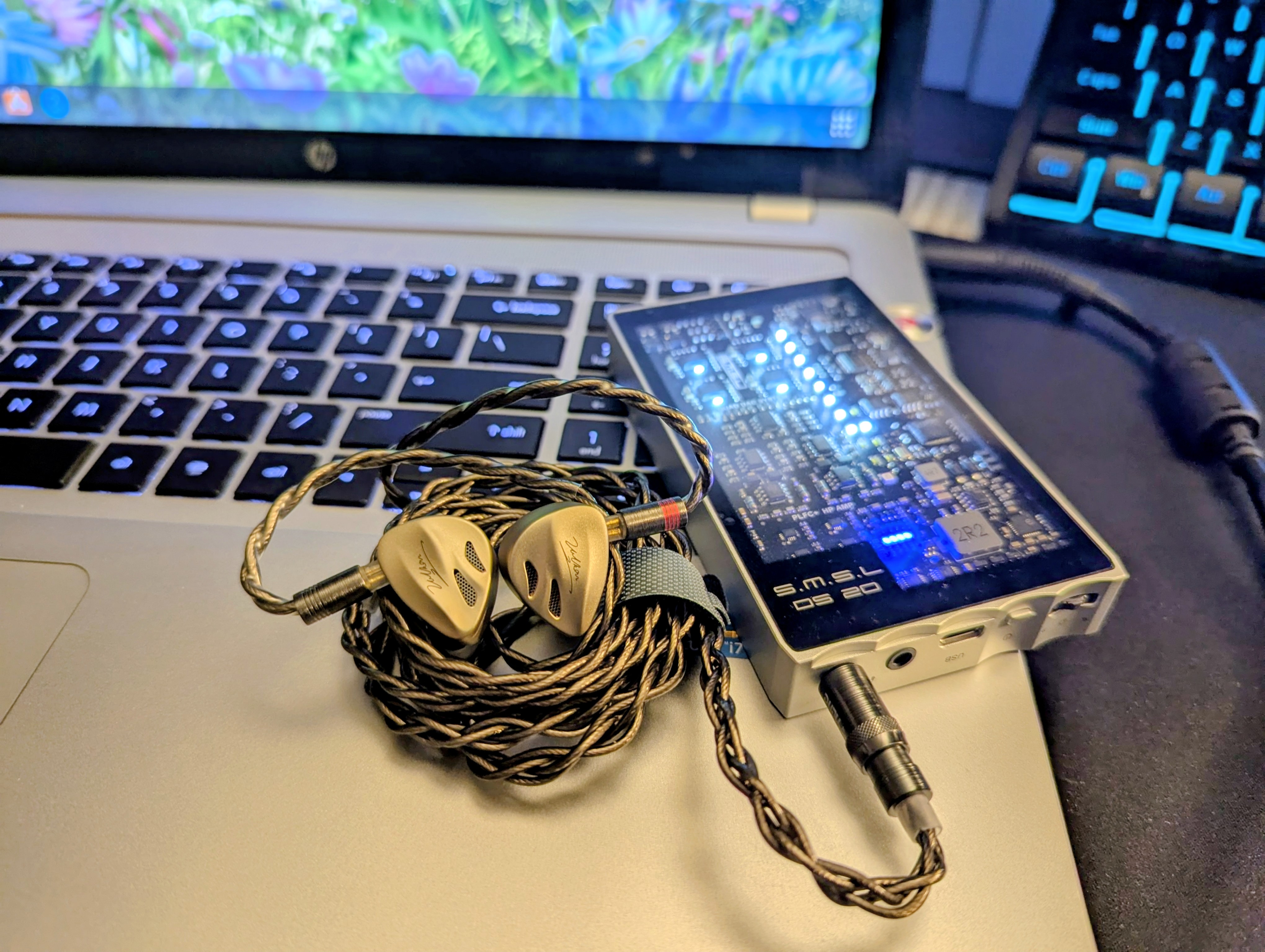
The packaging and contents inside scream flagship as well as the quality of the accessories. The solid metal shell is comfortable to me and looks good. The Vulkan provided an adequate amount of passive isolation.
My personal feeling is this is a very good IEM for someone looking for a neutral response with a nature and delicate tone. The lowers of the Dunu are well detailed and have enough presence to not be anemic but this is far from impactful, and I found it lacking a lot. The Midrange for the most part is Neutral it has a good placement, and vocals are clear and sound natural but fall between being energetic and relaxed, somewhere between thick and thin though they sound good I would have loved some warmth and more energy. The Treble of the Dunu is smooth and easygoing with descent extension and balance. Surprisingly the stage on the Vulkan is wide and rich with details and super accurate.
The Dunu Vulkan is defiantly not my favorite IEM, it does have its charms when I am in the mood for such tunings.
It’s well-made and looks great, a true flagship for the neutral crowd.
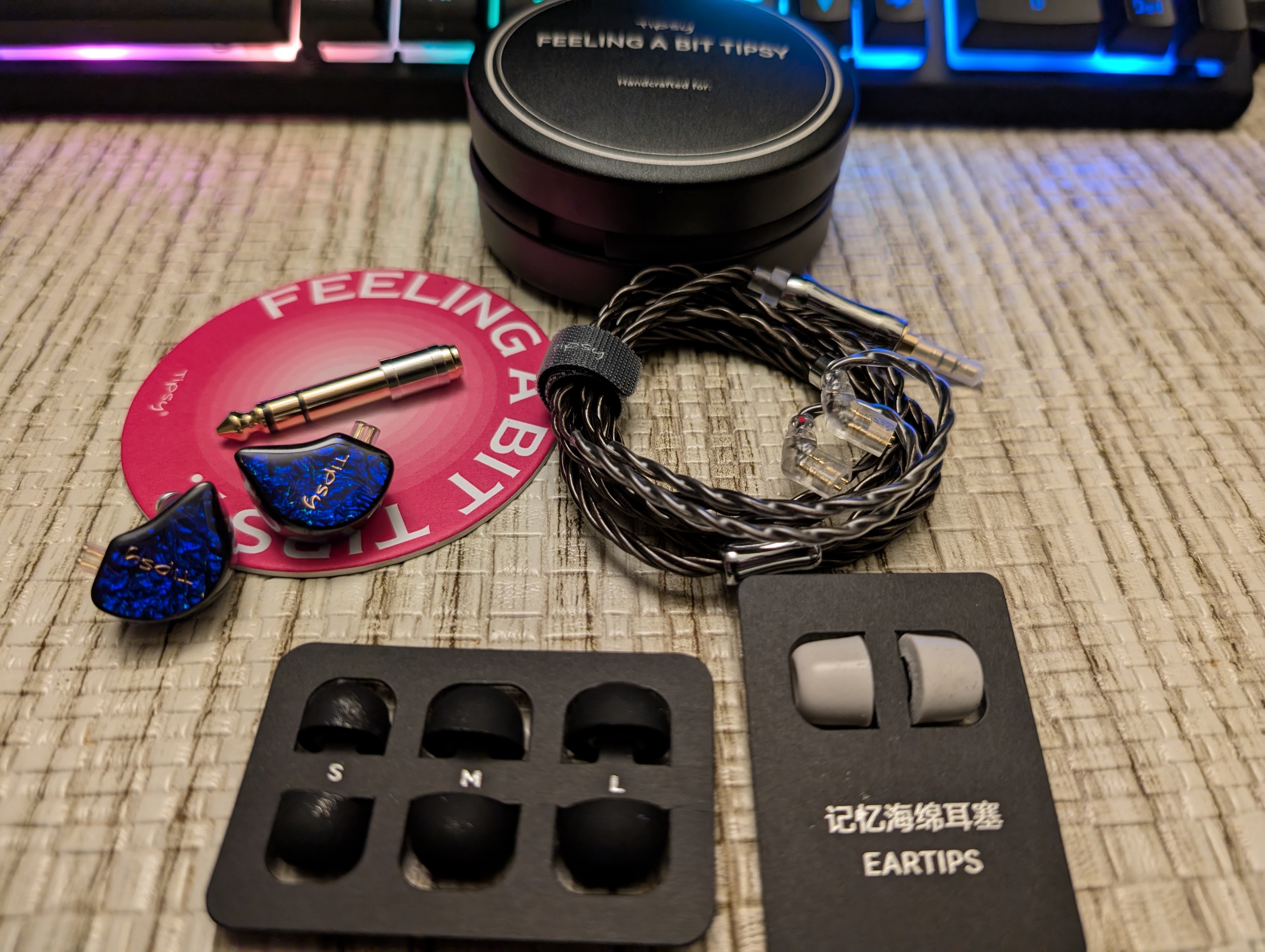
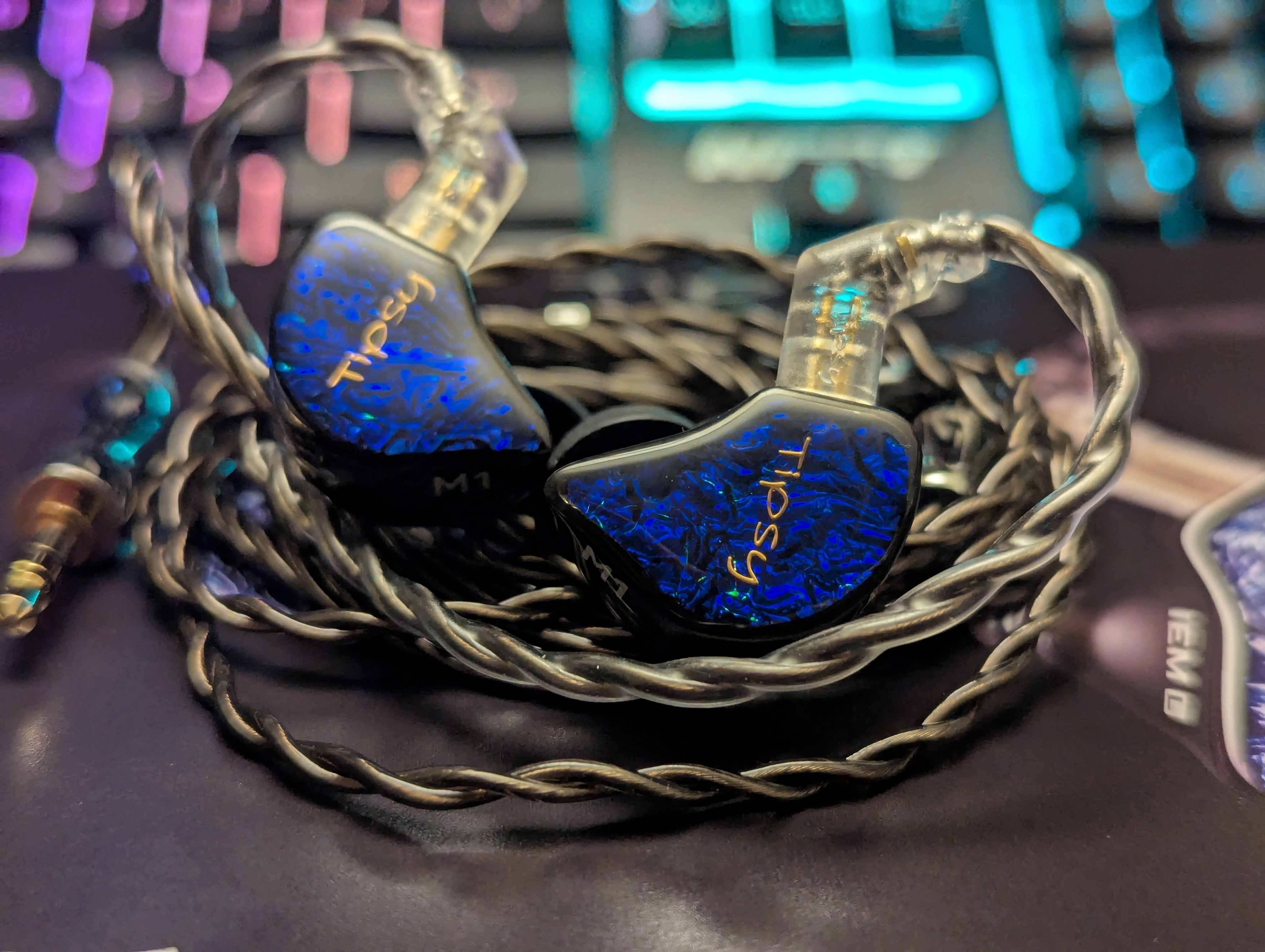
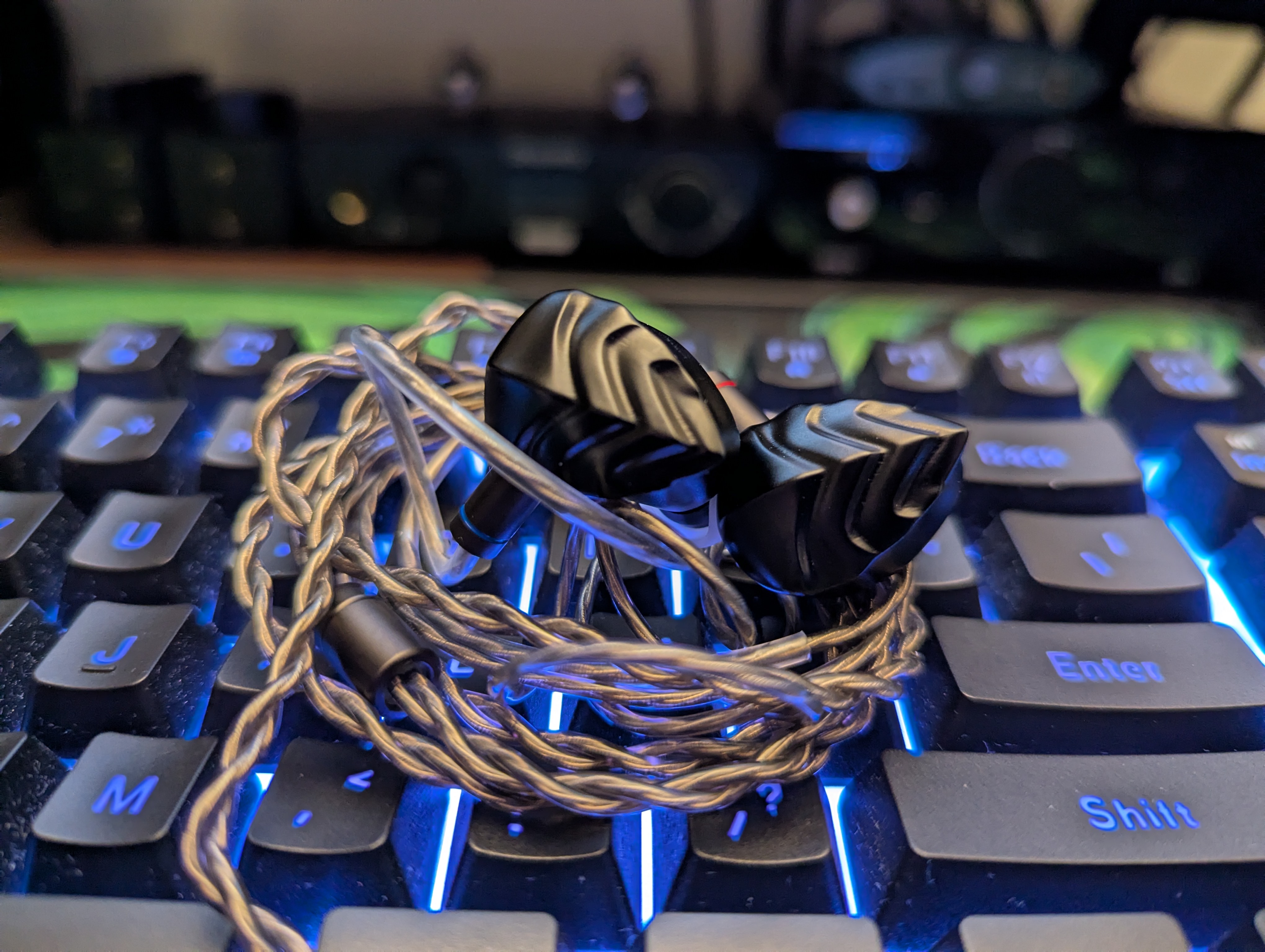
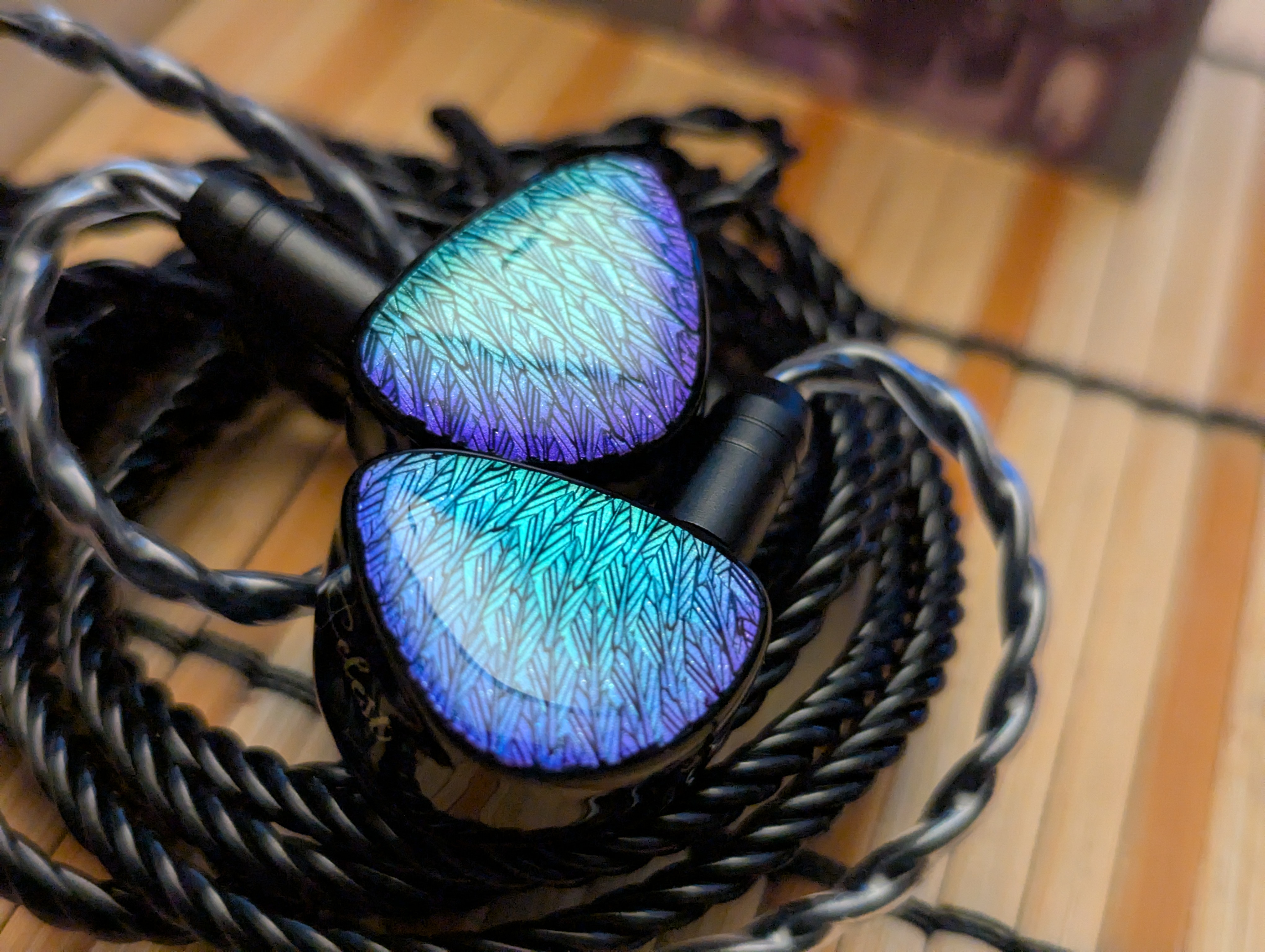
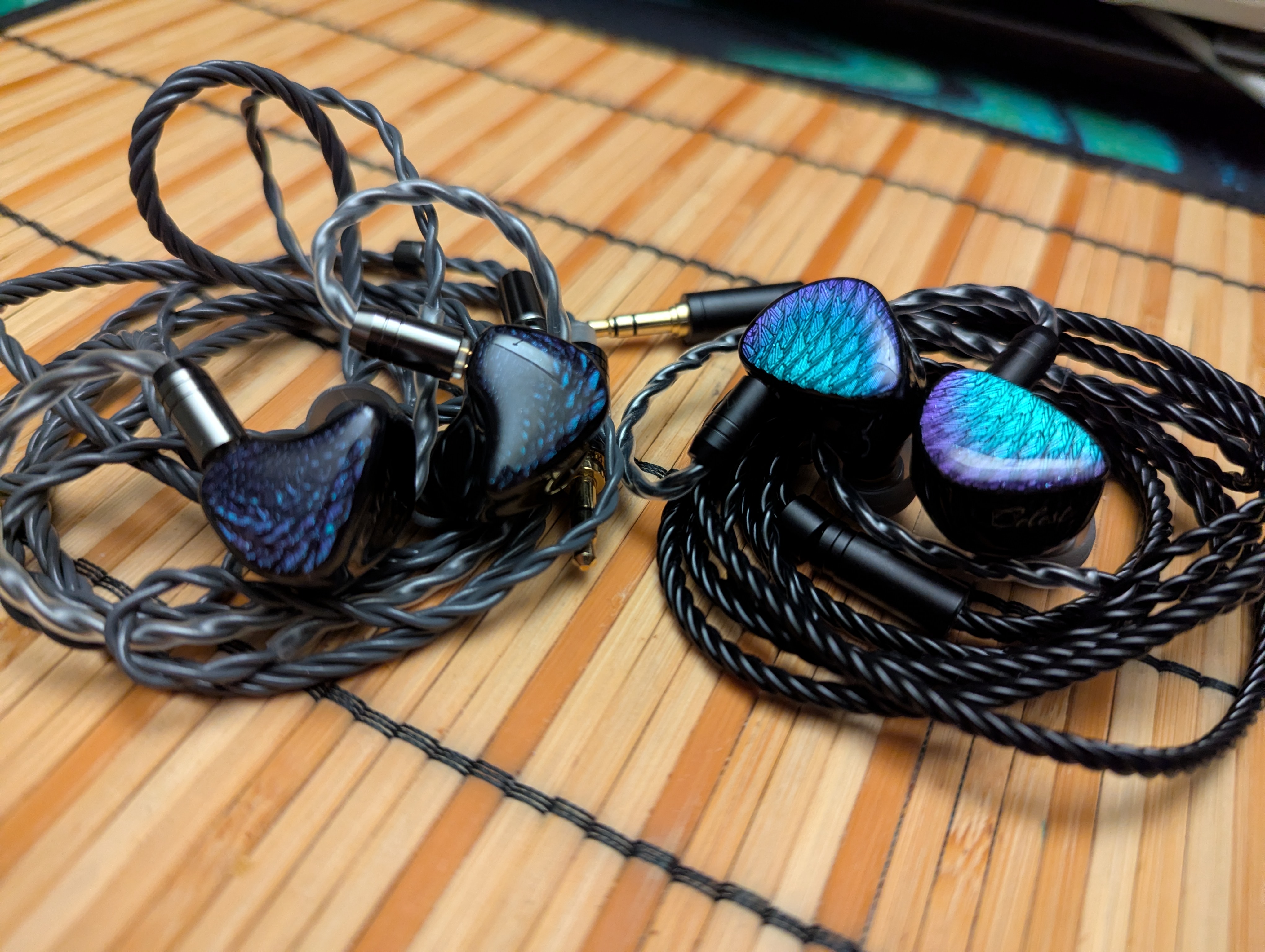
The packaging and contents of the M1 look fantastic, the beautiful shell and smooth resin bring to mind much more expensive units I’ve tried. The M1 provides maximum comfort do to shape and materials as well as very good isolation.
Sonically the Tipsy M1 is pure enjoyment to me with its warm and rich smooth signature it blends well with my daily listening schedule of various types of music.
The lower end is well textured and rich with enough power to be satisfying but not overwhelming, Sub-Bass has a nice deep rumble but maintains control and Mid-Bass is punchy and quick.
The Midrange of the M1 is well defined with very good body, emotion and well implemented warmth. Treble is open and airy with fair details but mostly tame and smooth. Soundstage has a nice wide field and stellar imaging, this makes the M1 very good for media, games and music.
In a nutshell: The Tipsy M1 is a fantastic choice for someone more of a music lover and less of a critical listener. Its a good-looking IEM with a warm smooth signature for listening all day.
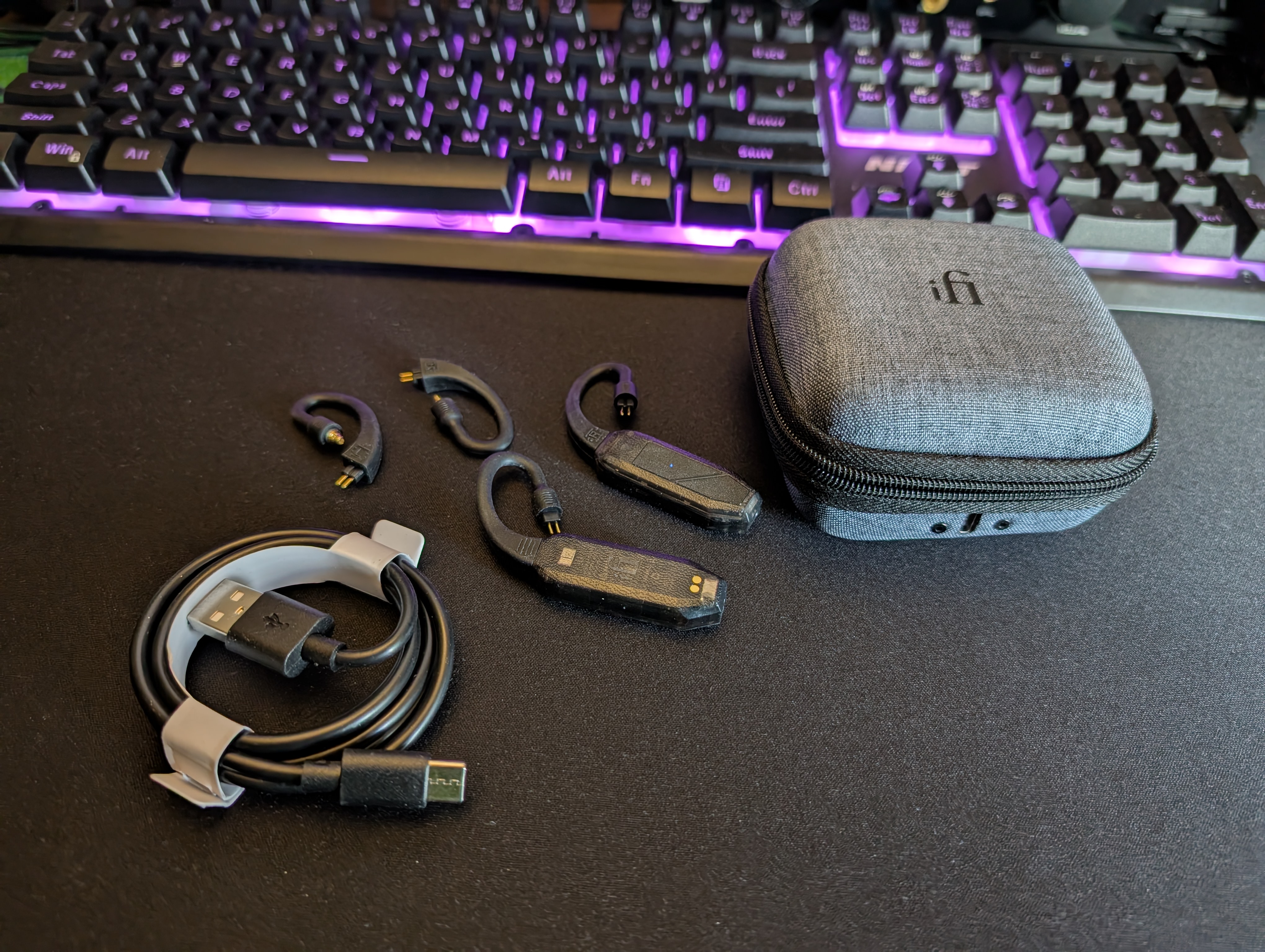
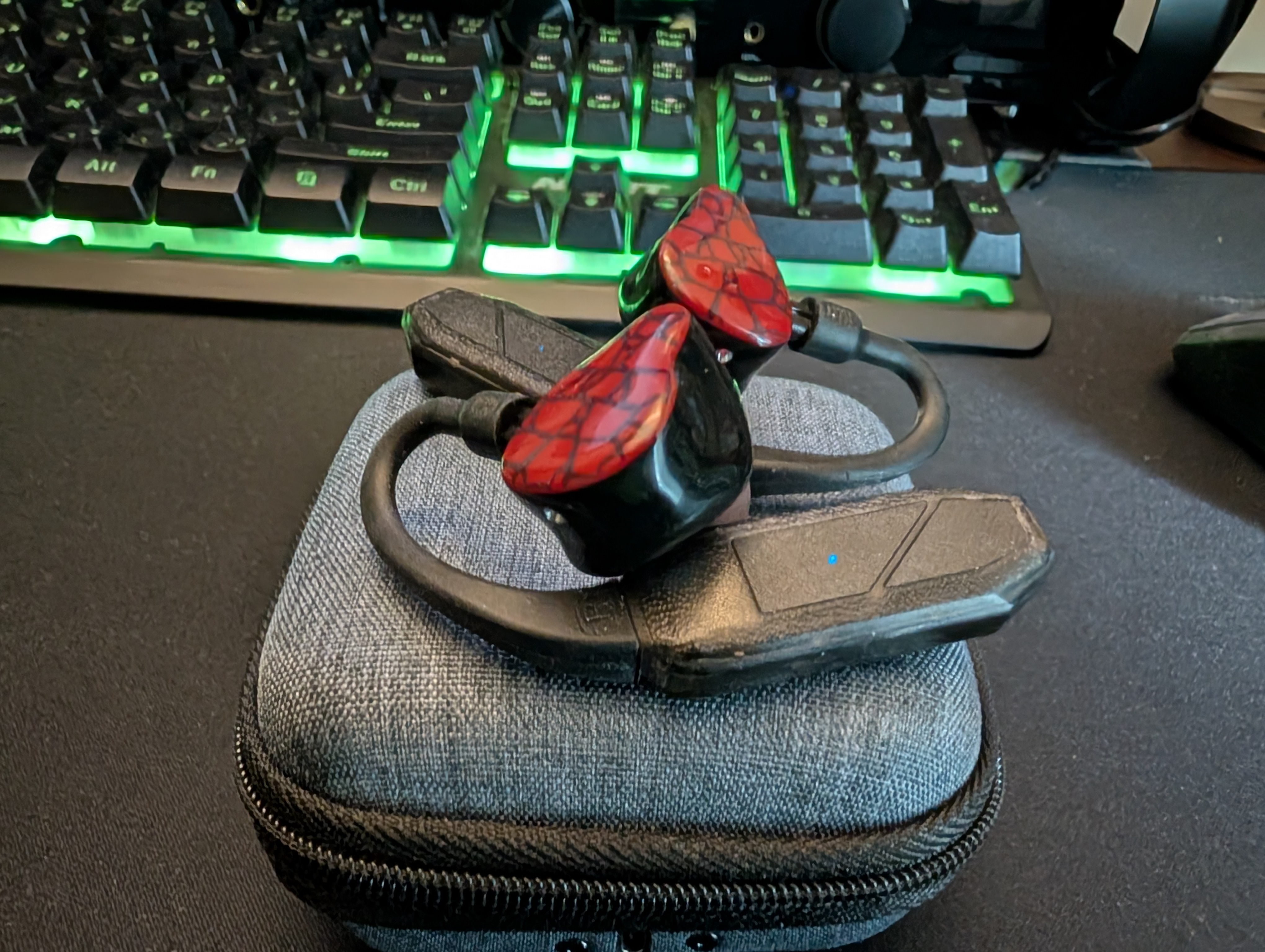
The ifi GoPod air is a Bluetooth ear hook adapter that lets you turn your IEM into a great sounding TWS earphone.
The device comes with a large 580mAhAh battery case and two different connecting hooks a MMCX and a Two pin 0.78mm, there is also others available to purchase. It has touch controls and placing the connect IEM in the case will activate the IE match feature. Call quality is decent, but I think the original was better. Comfort is good, I think the hooks themselves are a little small for larger ears very similar to the original design. Improved are the case on this model making it very easy to put in your back or coat and hit the trails. the price has improved as well making this an affordable alternative to a Bluetooth receiver DAC.
Sound:
The sound quality is excellent, offering a rich ifi audio house signature and detailed presentation. It is almost neutral and transparent, with excellent dynamics and a linear response. There’s minimal difference in ground noise whether using all-BA or single dynamic drivers—it’s incredibly silent with no hiss or static. I tested a wide range of IEMs, from hard-to-drive models to highly sensitive ones, including Planar, BA, DD, Estat, and Hybrid configurations. The GoPod Air managed them all with competence.
Tested was the Kiwiears orchestra lite, Hidizs MK12, the KZ AM16, the Letshuoer S15, Punch Audio Martilo and the Shozy P20 to name a few. Music used was mostly from my collection and a little streaming. Devices used were the Tempotech V1, V3, V6. My pixel 7 pro, Pixel 10, Apple iPad air, Samsung S22, and Linux PC.
Conclusion.
The ifi GoPod air just like the original is a super convenient way to enjoy my collection, with LDAC and enough power I don’t see any big limitations with this product.
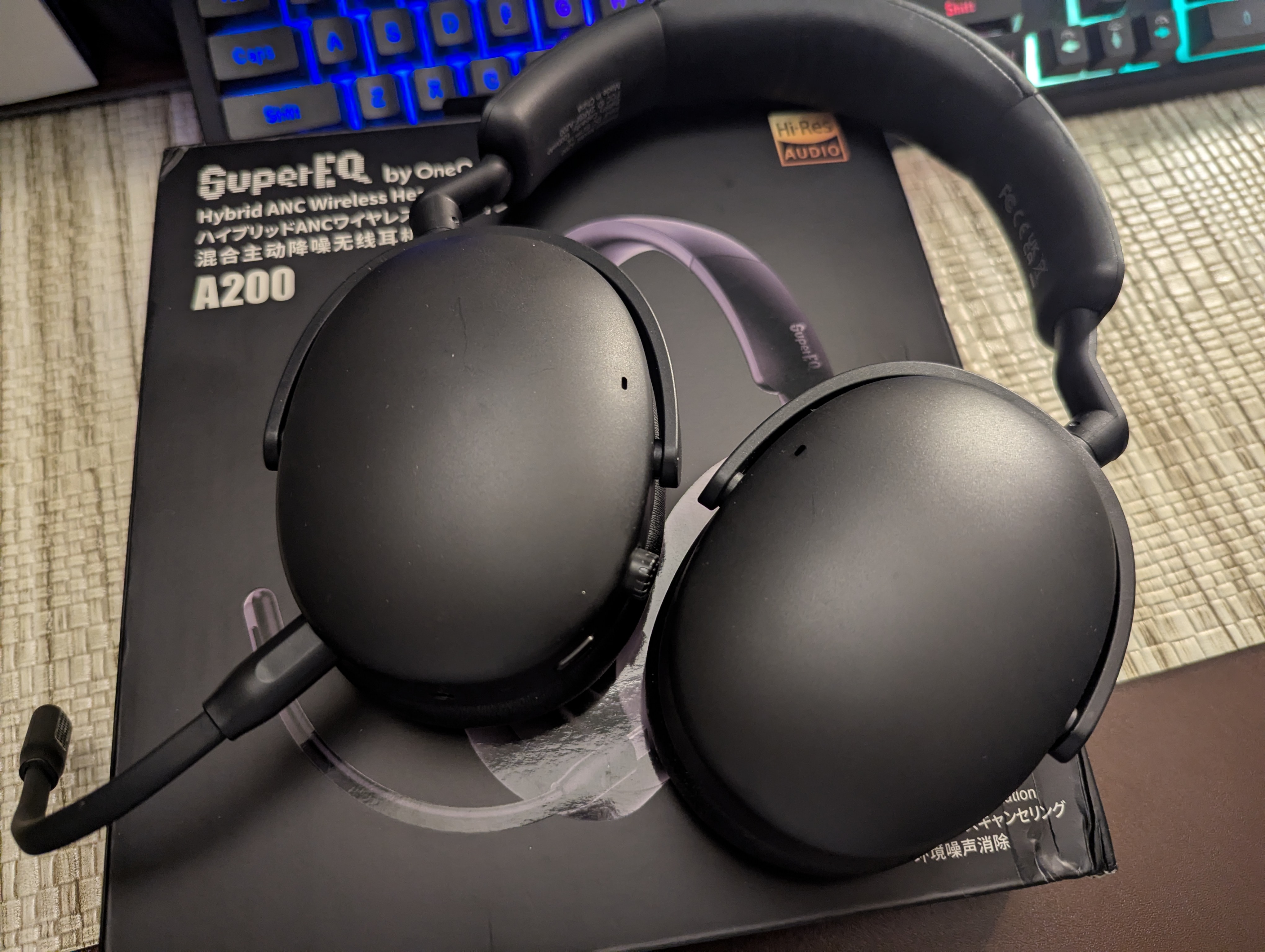
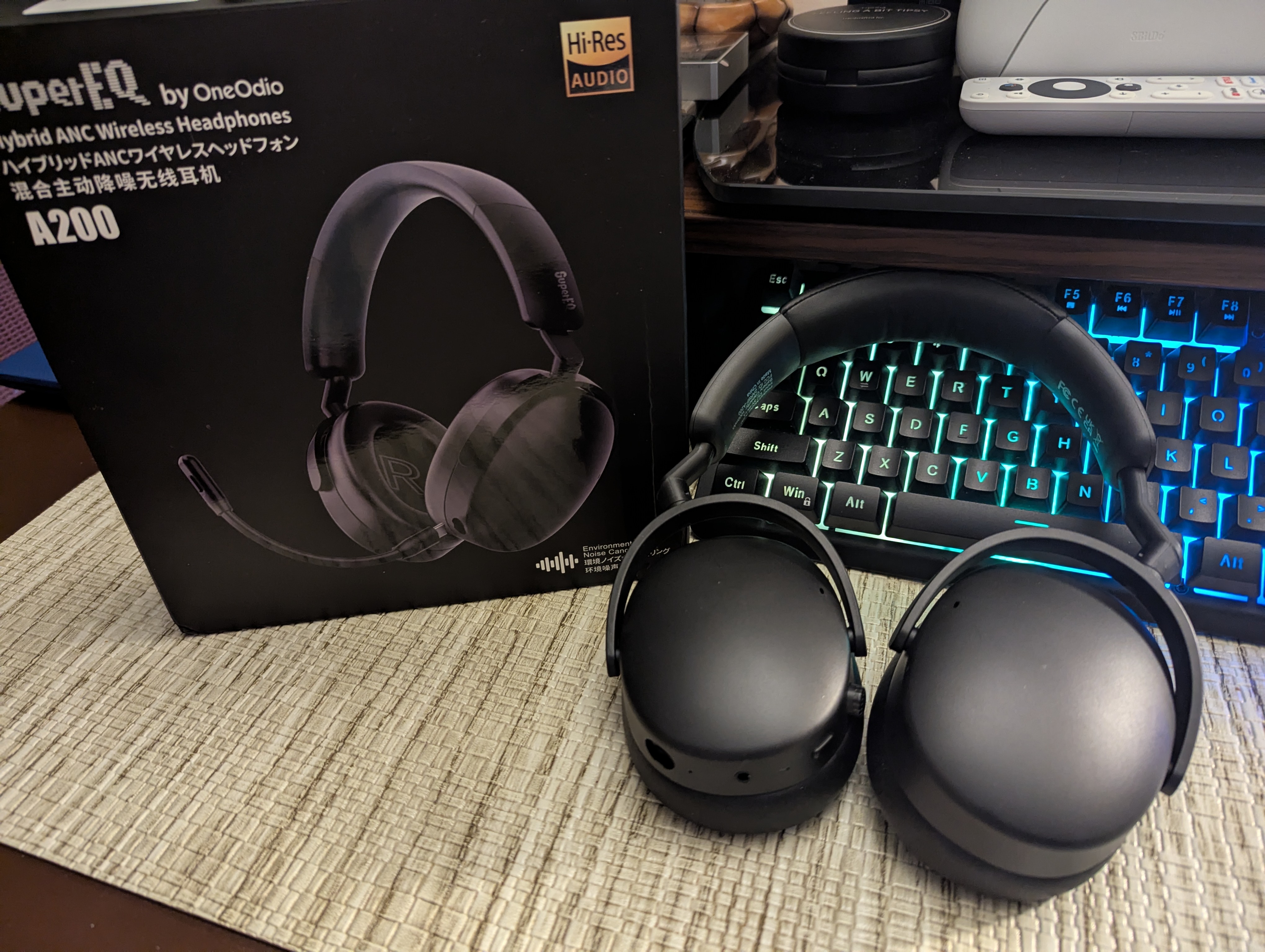
The A200 is one of those hidden items you dint know you needed until you have it in hand. The seemingly generic design lacks that eye catching something most gaming headphones have. this one has a stealthy look that would be at home on your work desk as well as at the park running. The removable microphone works well and is clear and loud. The ANC on this one is super deep providing and almost sound room experience. I found the large oval cups to be comfortable all day and fit perfectly over my big head and ears.
The A200 has plenty of juice to go all too, a large 1000mAh battery provided me about 59 hours of playback with ANC on and the NAC blocked out almost all noise when traveling on the bus.
Key features:
●38dB noise reduction depth,6-Mic AI ENC
●Advanced Bluetooth 5.4
●100 hours long battery life, Charge 5 minute for 7 hour playtime
● APP-EQ Customized
●Detachable extended microphone with mic mute button
●Multi-point Connection
●Rich Bass,40mm dynamic drivers produce Hi-Res sound
let’s get into the sound
The A200 was powerful with a rich expressive lower punch but still not muddy or overwhelming, the midrange had enough forward presence and a good body to it, while treble was extended enough to be airy with a good sparkle.
The details were good but smooth and soundstage was wide but not deep. gaming worked well but I like them for pop and rock music and movies on the go as well.
I found the A200 to be a competent ANC, gaming and music headphone. Considering the cost this is a fun and balanced offering with powerful ANC and battery life.
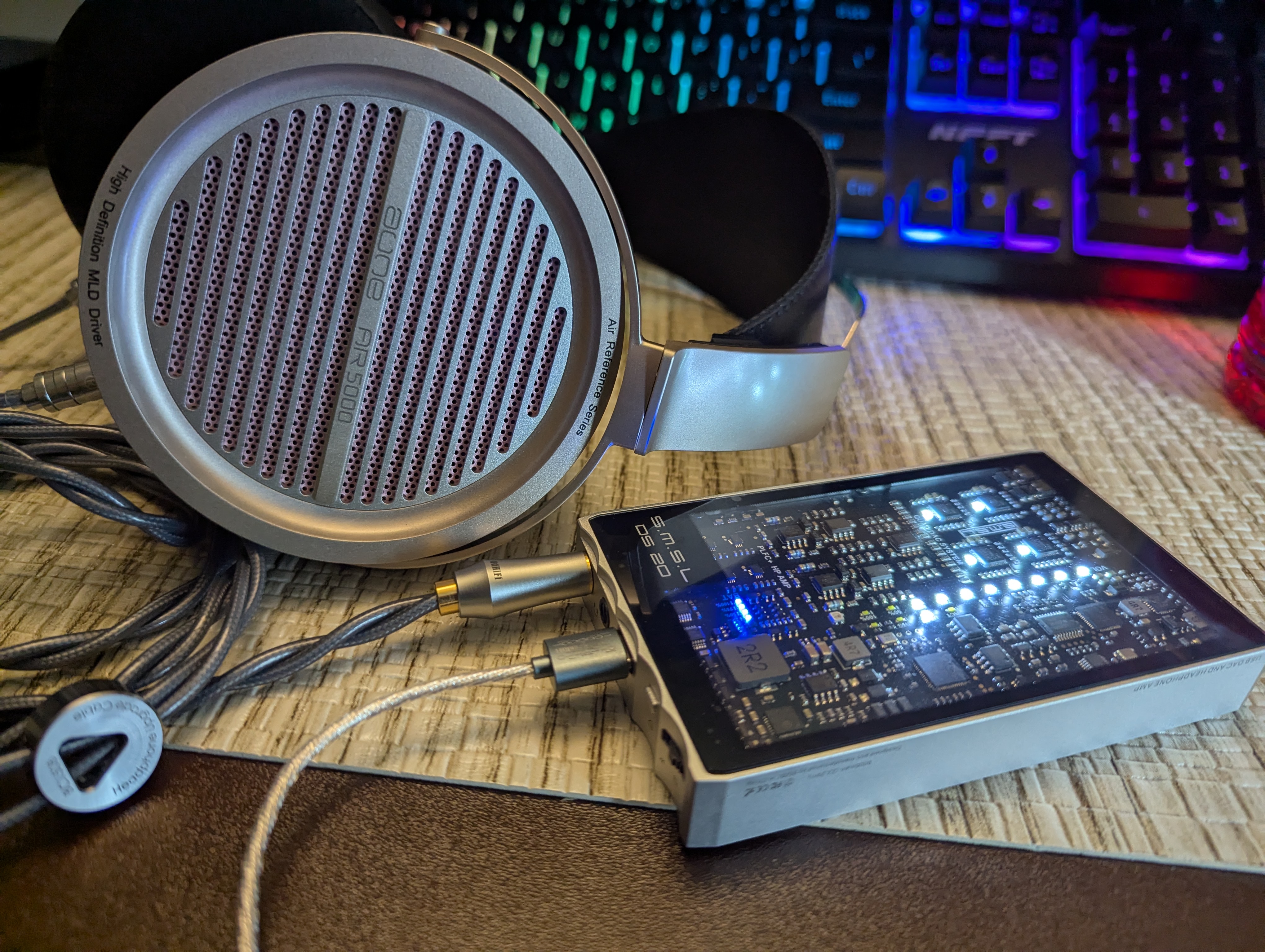
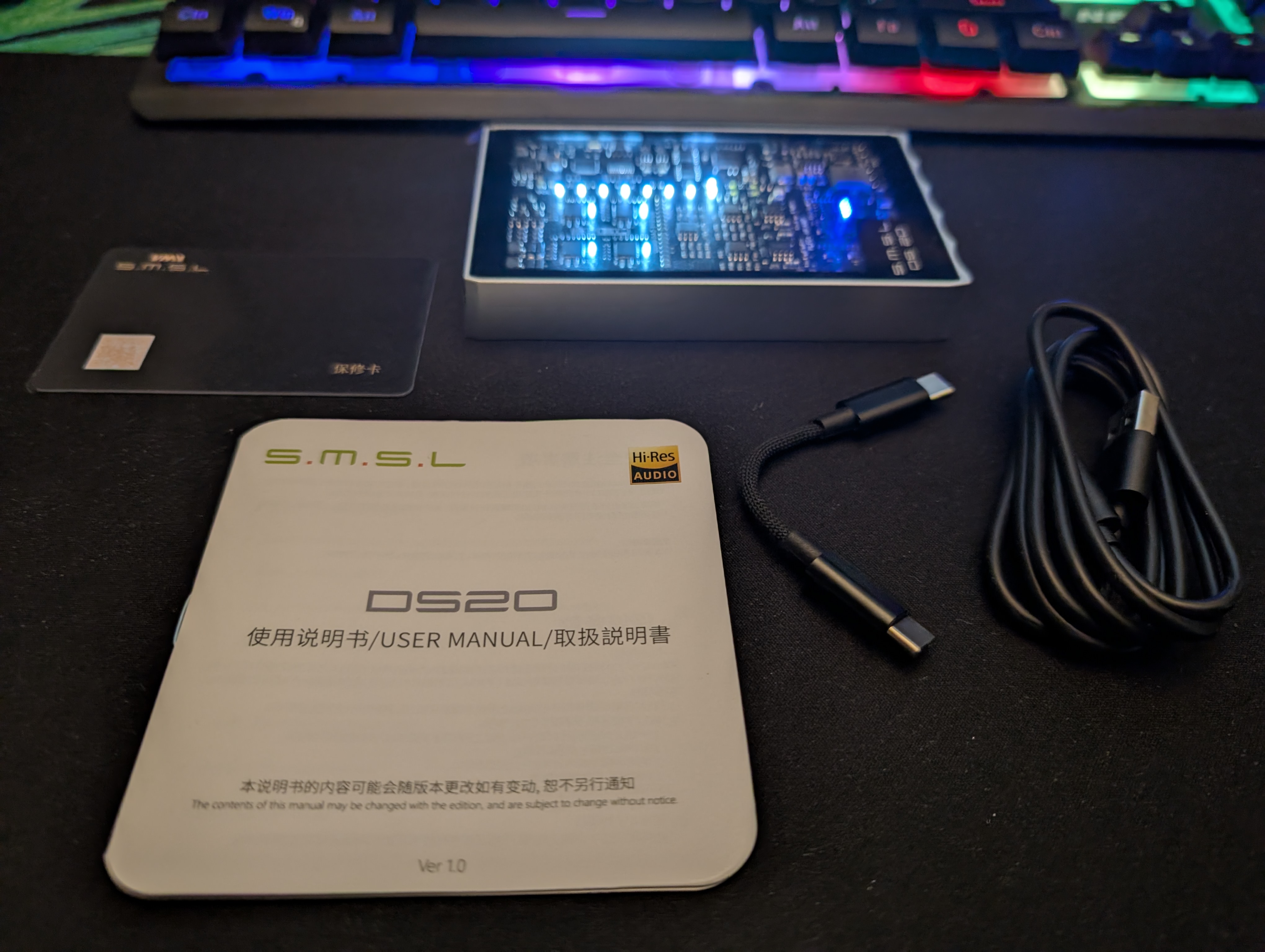
Let’s start with the build quality, SMSL is known for making a great product with a solid build the DS20 is no exception.
The all-metal build with the top being se through reminds me of much more expensive units I have used, it’s hard to believe this is under $200. Inside you will find the warranty card, manual and the two cables. The units controls and IO are all on the front, easily accessed but I would have liked a separation between the input and output and controls. Just in case you have a thick USB or Audio cable it might be tight to plug in both.
The DS20 has both a 3.5mm and 4.4mm balanced headphone output that deliver a powerful 500mW per channel output thrust, more than adequate enough to drive planar IEMs and Headphones with relative ease. SMSL DS20 is a portable powerhouse that has an industrial design I find appealing. The sound quality of the DS20 is simple very good resolution with excellent details and an almost pure neutral tuning, there is a mild warmth in the well represented lowers and vocals and mids are superbly represented. Soundstage and treble are open and natural with sharp yet perfect details. This device works well for music and games with the accurate and highly detailed ability.
Using 4 pieces of Cirrus Logic’s latest audio decoder chip CS43131!
PLFC fully balanced ear amplifier circuit design.
New third-generation XMOS XU-316, PCM support up to 32bit/768kHz, DSD support up toDSD256.
Support MQA full decoding, 8 x unfolding
Two modes of USBl.1 and USB2.0 are for selection, USB1.1 is convenient for users to connect to game consoles such as PS5 or Switch.
Special designed clock processing circuitry for audio, greatly reducing clock jitter.
Built-in specially designed low-noise power supply.
Uses a large number of audio-specific audiophile-grade resistors and capacitors.
Japan Audio Society (JAS) Hi-Res certification.
Built-in high-capacity and high-efficiency Li-ion battery
In a nutshell: The DS20 is a all-in-one portable solution that could fit well as a desktop unit in most circumstances it is well tuned and well made, has good power and looks fantastic in my opinion.
● 9 Sound Styles, Triple Tuning from its proprietary pneumatic tuning filters and different types of ear tips included.
● CNC-Machined Aluminum Alloy Shells.
● Detachable 0.78mm 2-Pin cable.
● Wide Frequency Range
SPECIFICATION:
MODEL: HIDIZS MK12 TURRIS
IMPEDANCE: 32Ω
SENSITIVITY: 111dB
FREQUENCY RESPONSE: 20Hz – 45kHz
CABLE LENGTH: 1.2m
PIN TYPE: 0.78mm 2-PIN CONNECTOR
PLUG TYPE: 3.5mm, 4.4mm
DRIVER UNIT: 1 DYNAMIC DRIVER
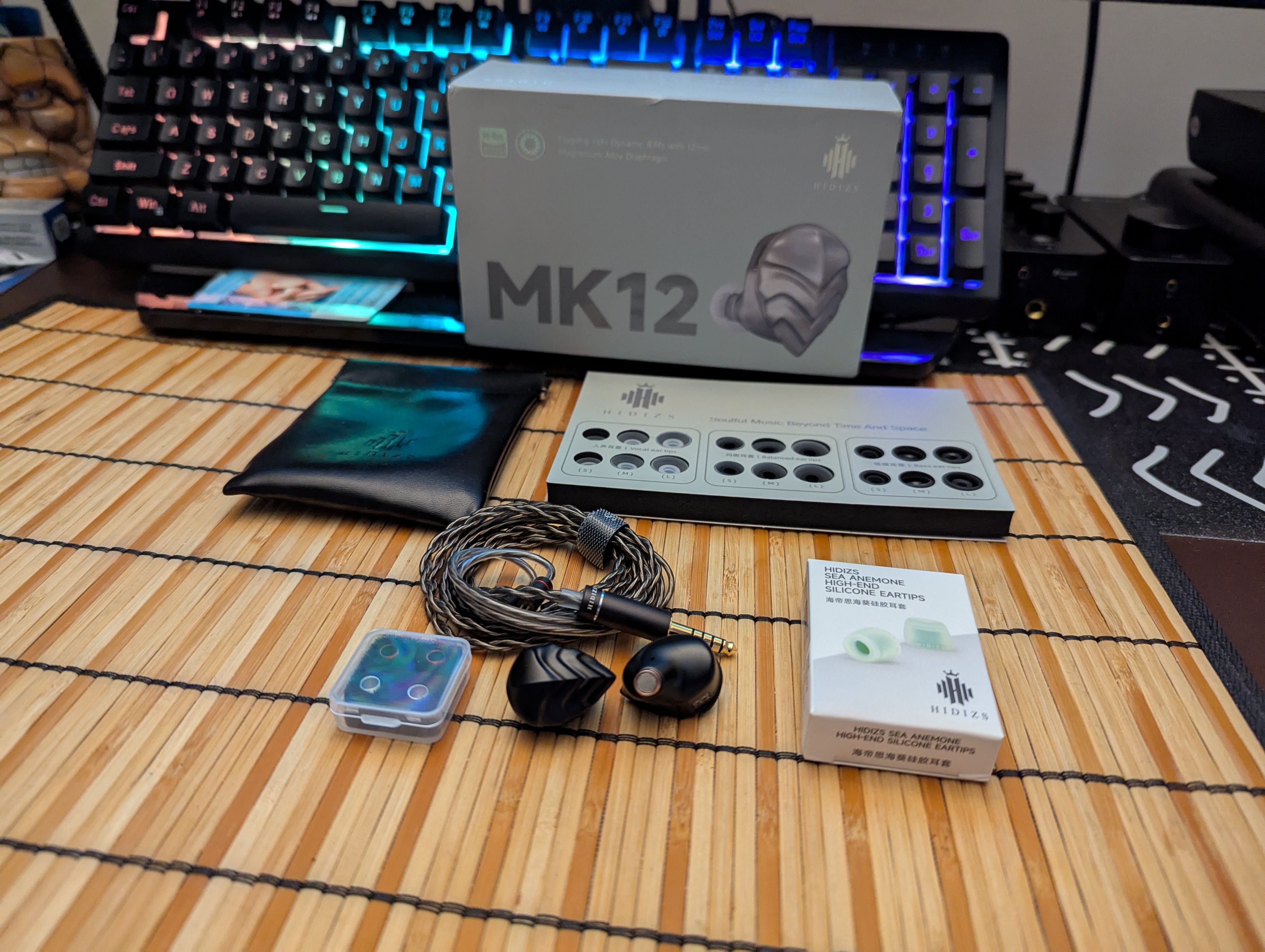
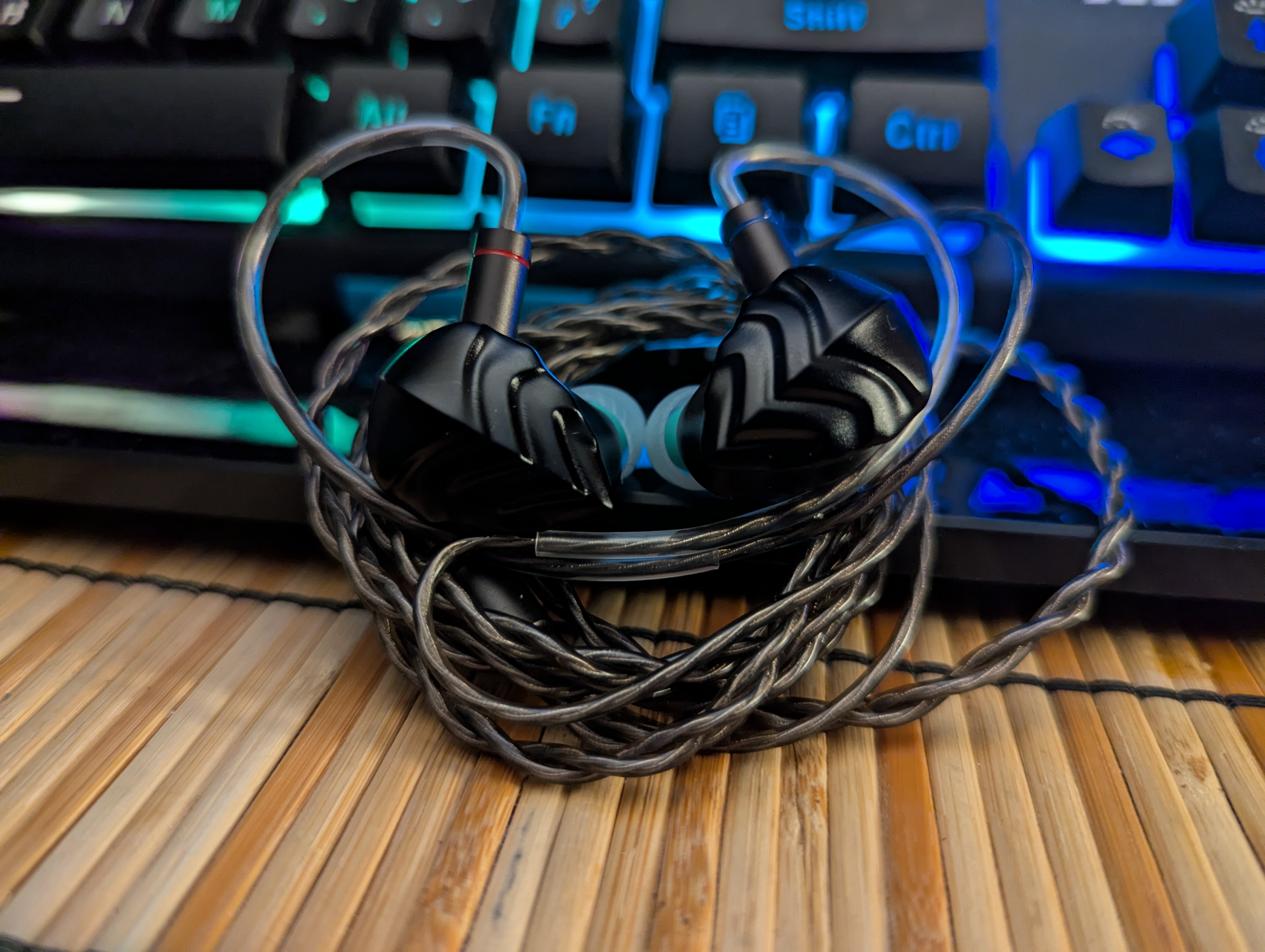
Opening the box one finds a bunch of different size tips a leatherette pouch tuning nozzles a nicely made but thinner cable and the large shelled IEM. I found it comfortable for my ears, but the shells are full sized and thick with shorter nozzles and a unique shape. The design is interesting and may not be for all, I think it looks good.
Sound:
I found the stock sound to be well balanced with excellent tone.
The Lower registers are exemplary with a well detailed and punchy. Here Sub-Bass has a decent rumble but does take a backseat to the well textured and prominent Mid-Bass with its speedy and powerful presentation. This can be increased a little or the opposite with the included nozzles.
The Midrange is an impressive blend of smooth rich tone and amazing placement and separation with both male and female vocals sounding great but male having just a little more naturalness with the warm lush tunning. Female vocals could have used a little more air but I’m just nitpicking.
The Treble of the MK12 is smooth, while its more towards a safe and non-bothersome tunning it still retains enough sparkle and air to make it enjoyable as well as a natural sounding tone.
Technically the MK12 is sound and functionally a good performer with details above average and a nice spacious soundstage that has a wide open almost theater like presentation. It has impressive amount of accuracy, and I found the imaging spot on.
In a nutshell the MK12 is a solid performer in its range will a good amount of accessories and a wonderful smooth and balanced tuning that still has details and technical chops to boot.
3 pairs of silicone ear tips (S/M/L); another pair (M) is default.
Documentation
Brochure / Greetings
Mascot card
The remastered is much different from the V-shaped original this new one has a more traditional shape that I found fit well and isolation was on par with its competitors. The Wyvern comes in a well adorned box with mascot card inside, I would have liked the cost to be drawn from here and a simple pouch or case provided would have serviced well.
The Lower end of the Wyvern has been improved for longer listening and better overall texture and details can be heard.
The Bass has a cleaner and less thumpy approach but is still very good in quality even if it’s less in power. This is not to say it doesn’t have an impact in fact is great when called upon just not bass head territory like the original. Midrange is mild and has a forward placement, its less as thick as its predecessor but is far from being boring and vocals sound better in my opinion. There is a nice balance in the midrange with enough body and richness. The treble is mildly subdued with a smooth and safe presentation. the soundstage is wide and slightly less in its depth but would work well for gaming casually.
In a nutshell the Wyvern Black Remastered is more of a different and side grade IEM than an upgrade to the original. Geared towards someone looking for a gaming IEM with an enjoyable non harsh tunning for music.
The boxing experience was fantastic, with numerous accessories included, even compared to my much more expensive Moondrop Variations. The packaging appears premium, and the organization of items in smaller boxes led me to believe this was an expensive set. Well, done, Simgot!
The inclusion of four nozzles allows for significant tuning to your preference, and the standard nozzle bore enables the use of nozzles other sets and manufacturers.
The ET142 is built solid and best many other sets of higher cost with ease. It has a very thick and beautiful cable made from OFC and silver plated OFC lits. It is also modular making it compatible with all my devises and I really appreciate that feature.
The 142 also comes with 3 styles of tips unfortunately none are foam for those that use them.
You also get 4 tuning nozzles 2 are longer and there are replacement filters and rings also included adding to the longevity of this set. We round off the acessories with a nice case similar to the one with the EA1000.
As for isolation it was perfect with the medium nozzles. Fit for me was tight but comfortable, I fear smaller ears might have some difficulty because these are larger than average.
Equipment used:
Fossi audio SK02 and SK01, ifi Gryphon, TempoTec V6, Periodic audio Neon BT, Creative Soundblaster G8 and Fiio KA13
High quality MP3, DSD , FLAC + ALAC, and some streaming in LDAC.
My sound impressions after burn-in.
The Simgot ET142 was a joy to listen to right out of the box. I heard it needed burn-in, so even though I don’t believe in such things, I did it for the sake of others.
We start with the lower end of the 142, the Bass was super controlled with excellent details and texture but is far from Bass head territory. The Sub-Bass carries the tones with that typical “PLANAR” Bass. The Bass line is neat and clean with good transient and depth but could use a little more emphasis, nothing that can’t be resolved with Xbass if I really was in the need for it. That said, the Mid Bass is slightly behind the Sub but it’s not lacking in texture quality and speed. There is enough Bass here for any type of music, double Bass drums sound fantastic. The overall bass analysis reveals a well-defined punch, adequate depth, speed, and quality befitting of a planar IEM.
The Midrange and vocals are greatly affected by the nozzles, ranging from a brighter and thinner response to a rich and meaty one. The ability to customize the mids are highly appreciated as it’s like having a variety of IEM in one package.
Mids are focused and clear while with one nozzle there is a warmer signature this is not a set for the warm rich Harman found in other sets yet there is enough to be pleasing to my ears. Planar timbre is present but is not impeding my enjoyability as I like most planar sets. Vocals have good wight with the red ringed short nozzle but are always energetic and the titanium nozzle was overall enjoyable while I didn’t care for the gold one as I thought it was too much. This is subjective and everyone hears differently. Midrange in general are clear and detailed with good energy and air, separation is far above average, and I would classify the 142 as a mid-centered IEM.
Treble can present as very airy and a nice upper limit with fine details and ample energy. Treble enthusiasts may prefer gold or titanium depending on their preference. I found the Titanium nozzle to be more my tastes when it came to upper tonality. Treble in general is open and spacious with clarity befitting of a flagship IEM, I could find no fault with how everything sounded listening to my eclectic collection of music.
Soundstage: Perfectly suited for the 142 the soundstage is wide and has a decent depth even if lesser than the width. Details are perfectly placed and not affected by congestion like some other IEM. Compared to the MoonDrop Variations I am testing out it is more detailed but far less holographic. I think both would work for gaming but perhaps the Better Bass and holographic stage would make the Variations a little better.
In My opinion the Simgot ET142 is a versatile IEM with a very quality lower end an excellent Midrange performance and upper treble of superb clarity, with class leading technical performance and while the 142 needs to be tuned towards your preference it should be decent for most people “after burn in” I can understand some of the points of negative but with the right , nozzle, filter, and tips these can be amazing!
The AGASound AGA ONE is a nicely built IEM with a 3D printed body and a metal faceplate. It looks sleek and modern. I found them very comfortable, and they provided above average isolation. The cable was actualy good as stock cables go, I found it both good looking and sturdy. the tips included were okay and provided a good fit for me.
Inside the box you will find the following
Aga OneIEM
Silver-Plated OFC Cable
Three Pairs of Wide Bore Ear Tips [S, M, L]
Three Pairs of Narrow Bore Ear Tips [S, M, L]
Three Pairs of Silicone Sponge Ear Tips [S, M, L]
Specifications:
Brand: Agasound
Model: AGA ONE
Source: China
Colour: Silver
Sensitivity: 126dB
Impedance: 19 Ω 10% @1kHz
Frequency Response: 20-20kHz
Plug: 3.5 mm gold-plated plug
Driver: Balanced dual magnetic DD
Cable: High-purity silver-plated OFC
Lets get into the sound:
The AGA One Has very good quality Bass while not exactly Bass head it still has a nice Sub-Bass presence and enough depth and width to be quite enjoyable on recordings that are more Bass oriented. Mid-Bass is no slouch it too is well refined with good control and speed.
The Mids are very interesting with the vocals being centered and not pushed forward, they are far from the typical Vshaped recession but instruments in general are slightly in front of them. The Mids have good clarity and note weight is also good with above average separation and are more towards a smooth rich Midrange with decent technicals.
The treble is well controlled offering enough energy and air without overextending or harshness. The soundstage is fairly wide with less depth and height, but good imaging and it doesn’t fall apart on bad recordings.
In a nutshell:
The AGA One is a under $40 IEM with good build quality and a pleasant smooth Harman tuning for a comfortable and relaxed listening session anywhere. I like the look and find it very enjoyable as an everyday use IEM.
I found the KA13 to be a well-built Dongle with a nice modern look and cool lighting on the window. It sounds very neutral and has good details and a healthy amount of power 550mW, this means it can power full sized headphones as well as sensitive IEM with a low noise floor. As a Dongle it very much improves the sound quality and volume but it should be noted this is not the most dynamic sounding dongle. Note wight is thinner and highs are on the sharper side as it is very detailed and analytical depending on the IEM or headphones used this may be less.
I tested out the Meze 99 classic, HifiMan Sundara the MX Ray MF1 headphones and the Dunu DK3001bd, ROSESELSA Star City pro 5 and Westone Mach70 IEM




 Jubilant Ear Reviews