Soundpeats Air5 pro+

Specs:

1DD + xMEMS Driver Configuration.

Supported Bluetooth 5.4 Codec: SBC/AAC/LC3/LDAC/aptX/aptX Adaptive/aptX Lossless.

Chip: QCC3091

Water Resistance: IPX5

Battery Capacity: 35*2 mAH (Earbuds) 520mAH (Case);

Frequency response range: 20Hz-40kHz.

Price: $130.

Inside the Box:

 SoundPEATS Air5 Pro+.

Charging case.

Few pairs of oval ear tips in S and L sizes.

Short charging Type-C cable.

Cute panda stickers.

User manual.

The New Air5 Pro+ has a great ergonomic design, is well-built, and kept me comfortable all day. The -55dB ANC worked impressively in every environment I tried. The microphone was crystal clear and performed flawlessly, even in a busy café, allowing me to hear calls perfectly. 

The SoundPEATS Air5 Pro+ earbuds offer impressive sound quality, comfort, and features at an affordable price, making them a top choice for budget-conscious consumers.

Design and Comfort

The Air5 Pro+ features a sleek stem-style design with a matte black finish and gold accents, giving them a premium look. Weighing very little, they are lightweight and comfortable for extended wear. The earbuds come with three sizes of ear tips to ensure a secure fit, which is crucial for effective noise cancellation and overall comfort during use. 

Sound impressions: 

Equipped with xMEMS drivers, the Air5 Pro+ delivers impressively detailed and dynamic sound quality that rivals more expensive models I’ve tried. I really liked their ability to produce clear audio across various genres, making them a great choice for both music lovers and casual listeners. The earbuds also support LDAC for high-resolution audio, though this feature is disabled when using multi-point connectivity. The low-end hits with speed, authority, and control, with Sub-Bass that’s both deep and detailed, while the Mid Bass remains quick and impactful. The midrange is very clean, while the lower range has a nice amount of body and the upper range brings a bright, energetic vibe, giving both male and female vocals the energy and natural tone they need.

The treble on the Air5 Pro+ is crisp and detailed, with excellent extension and energy. Its open, airy sound signature offers a wide, accurate soundstage that’s perfect for movies and games.

Greadio CD40

The CD40 is a straightforward player made from durable black plastic. In the box, you get a test CD with nature sounds, a USB-A to USB-C charging cable, an aux cable, and a manual. I love that it includes an SD/TF slot, making it feel a bit like a DAP as well!

The retro top-loading design is super convenient — just pop open the lid, put in one of my CDs and the music starts within seconds. No complicated menus, no waiting. I especially appreciate that it runs on both battery and USB-C power. The built-in 1000 mAh battery easily lasts five to seven hours, perfect for longer listening sessions, and at home I simply charge it via USB, which is really practical.

The sound quality is very good. Through headphones and in-ear-monitors, it’s clear and has nicely balanced, with crisp highs and a well-controlled bass. Even older recordings sound pleasantly natural. It also connects easily to speakers or a stereo system via the 3.5 mm jack, with no unwanted background noise.

I also love how easy it is to operate. The buttons are large, responsive, and have a satisfying click — all function, no gimmicks. It plays CDs, CD-Rs, CD-RWs, and MP3 files, so I can enjoy even the discs I’ve burned myself. Every format I tried worked great.

In a nutshell:
The Greadio CD player perfectly blends retro charm with modern tech, delivering reliable, clear, and effortless music playback. I would have liked Bluetooth and a Bass boost as well but for the cost its very good. 

Aune IR300

The Aune IR300 is a standout in-ear monitor, offering flagship-level performance at a budget-friendly price, along with a wide range of tuning options and accessories. Its build quality is excellent, featuring a smooth metal shell that’s more compact than many of its competitors. I found them really comfortable and they offered excellent isolation.

Inside the solid box, you’ll find the IR300, a large pouch, and a thick, high-quality copper cable that’s both durable and modular in design. There are also two types of ear tips in three sizes each, three filter nozzles, plus an open and a closed tube filter. The cable supports both 3.5mm single-ended and 4.4mm balanced connections. I really enjoy the art deco design of the faceplate and the sound of this IEM with the stock filters in place.

Let’s start with the filters: the default Brass one delivers a wide, rounded bass tuning with a good amount of upper treble energy. The sub-bass extends nicely and can dig deep when needed, while the mid-bass is quick and well-balanced. Overall, the bass feels like listening to a quality shelf system with full-range speakers complemented by a small subwoofer. The mids on the IR300 are warm, with a balanced amount of body and thickness—right in between thick and thin, and just perfect to me. The detail and separation are impressive, with both male and female vocals offering excellent placement and emotion. The treble is crisp, airy, and detailed, without being overwhelming to my ears. The soundstage is wide open and airy, offering great imaging with good depth and height. 

The Black filter delivers deeper, warmer bass and mids but results in less crisp treble. Soundstage is a bit more subdued but only slightly. 

The Silver filter reduces the bass more than the others but adds a sharper, brighter upper end, with a soundstage similar to the original.

Open vs. Closed

The tube only mildly affects the sound, not so much the lows and highs, but more in terms of air and soundstage presence. Personally, I prefer the open design.

In a Nutshell:

The IR300 is a well-crafted IEM that offers just about everything you could want. Its appealing W-shaped tuning works well with many genres, striking a great balance between musicality and technical performance.

Oneodio Solocaster

The Oneodio Solocaster is an all-in-one audio mixer built for gamers and content creators who want to take their streams to the next level. It offers high-quality sound, customizable effects, and vibrant RGB lighting to keep you fully immersed in your game or broadcast. With a pro preamp and 48V phantom power, it brings out the best in your XLR mic, delivering crystal-clear, broadcast-ready audio. One-tap noise reduction keeps your voice clean during intense moments, while six fun voice-change modes—female, male, kid, old man, beast, or robot—add personality to your stream. You can load custom sound pads, add reverb or sidechain effects, and easily integrate background music via Bluetooth. The simple, intuitive interface keeps you focused, with handy features like one-touch mute, direct monitoring, auto ducking, loopback, and quick vocal removal for karaoke. Eleven dynamic RGB lighting modes let you match your setup’s look and feel, and with five independent audio channels plus multiple ports, it’s ready to fit right into any streaming setup.

This is ideal for creators seeking flexibility and desk appeal without splurging on pricey interfaces or outboard gear. It can truly enhance a setup, though it benefits from patience and careful gain staging. The features are plentiful, the finish is somewhat uneven, and there are occasional minor annoyances. Overall, it’s a reliable streamer with most of almost everything needed to get going! The low cost and great features make this a win-win for content creators. 

Soundpeats H3

The Soundpeats H3 is a hybrid with triple drivers, featuring a 12mm dynamic driver and dual balanced armatures for a rich, IEM-like listening experience. It offers Adaptive Hybrid ANC up to 55dB, blocking 99.8% of noise with six built-in mics and four app-controlled modes—indoor, outdoor, transport, and adaptive—for optimal noise reduction across a 4000Hz range. For calls, its 6-mic setup with Qualcomm CVC 8.0 and an L-shaped acoustic tube boosts vocal clarity, filters wind and ambient noise, and minimizes echo. Battery life reaches 37 hours total, with 7 hours per charge and fast charging that delivers 2 hours of playback in just 10 minutes. The PeatsAudio app lets you tweak EQ for bass, mids, or treble, customize touch controls, and use features like multi-point connection, real-time battery display, and fit tests for a smooth, personalized audio experience. The shape is very familiar to most music lovers as that tried-and-true IEM shape, I found the H3 fit snugly into my ears and provided good isolation and comfort. The ABS+PC resin body is well made, and I like the look of it too! 

What’s in the box

SOUNDPEATS H3 HIFI Wireless Earbuds

Cable

User Manual

Protective Case

Eartip Replacements

SOUNDPEATS LINKS:

https://amzn.to/3Y9zRm4 (US)

https://amzn.to/4jWJGh8 (UK)

https://amzn.to/4qI6Om4 (DE)

https://amzn.to/3O7Blv2 (FR)

https://s.click.aliexpress.com/e/_c3cH9wlN

https://s.click.aliexpress.com/e/_c3ykydK3

SPECIFICATIONS:

Hybrid: 1DD + 2BA per side

(1) 12mm Dynamic Driver
(2) Balanced Armatures
– Chipset: Qualcomm® QCC3091 com Snapdragon Sound™
– Touch Controls
– Bluetooth 5.4
– Profile: HSP/ HFP/ A2DP/ AVRCP
– Codecs: SBC/AAC/LDAC/aptX/aptX Adaptive/aptX Lossless
– BT signal range: 10 meters
– Waterproof Rating: IPX5
– ANC and Ambient sound (4 modes)
– PeatsAudio APP – EQ presets & customization
– Low Latency mode (60ms)
– 6 Mics AI ENC for calls
– Dual-device connectivity
– Play time: 7h
– Battery life of earphone: 37h
– Charging time: 1h (earphones) 2h (charging case)
– Earphones battery: 35mAh
– Charging case battery: 400mAh
– Input: 5V-1A
– Charging by USB-C port
– Earphones material: plastic + aluminum
– Case material: plastic
– Case size: 4.2cm [H] × 6.8cm [W] × 2.9cm [D]
– Weight: 6g (one side)(without tips)
– Case weight: 41.4g (without earphones)
– Total weight (box, earphones, etc): 208.6g
– Packaging size 12.7cm [H] x 12.5cm [W] x 5.6cm [D]

Sound wise>  

The Bluetooth 5.4 connects flawlessly without any issues, the ANC performs very well, and the microphone ENC works excellently in most situations. The sound has a well-tuned V-shaped profile, with clear vocals and a midrange with a clean detail and separation. The treble offers a nice amount of air and crispness without ever sounding harsh or shouty. The soundstage is wide, accurate enough for gaming, and immersive enough for movies on the go. Overall, it strikes a great balance between technical performance and fun. The bass is deep with a fast roll-off, the sub-bass delivers a nicely controlled rumble, and the mid-bass impact is quick and satisfying.

Fiio DM15 R2R

The FiiO DM15 R2R is a portable CD player featuring Fiio audio R2R DAC technology enjoyable listening experience. It’s built to handle both classic CD / CD-R playback and digital audio, making it a good choice for music lovers looking for retro CD with modern features.

The DM15 R2R features a discrete resistor ladder DAC, renowned for producing a more natural and cleaner sound than traditional delta-sigma DACs. It also features decently powered headphone amplification capabilities, with single-ended outputs delivering up to 310mW at 32 ohms and balanced outputs reaching 1150mW at 32 ohms. This should drive most headphones effectively and does well with in ear monitors as well. 

The Fiio is not only a portable CD player but also an all-in-one unit. It’s a USB DAC, Bluetooth transmitter, and CD/CD-R player, it supports Bluetooth aptX and aptX HD as well as FLAC, WAV, WMA, AAC, and MP3 digital files. 

The build is a nice solid design with an all-metal body, but this could also be a minus as well. it comes with a large 4700mAh lithium battery, I’ve personally gotten around 6-7 hours of playback time.  I did not like the glass top as it adds to the worries of this portable device. While the build is all metal it still feels fragile for traveling. 

Sound-wise, it doesn’t disappoint. The R2R delivers a great mix of enjoyment and detail, capturing the analog-like warmth of older players but with much more clarity compared to my long-owned Aiwa and Sound Design models. You could call it a modern classic, combining all the latest tech with the nostalgic sound of the past—only sharper and more precise. 

In a nutshell:

The Fiio DM15 is an excellent all-in-one device for both portable and desktop use, delivering everything you’d expect from a traditional CD player and DAC/amp combo. In my opinion, the buttons and screen are a bit too small, and while the glass top and metal frame feel sturdy, they’re also somewhat delicate. I’d suggest using the available protective case or keeping it in a bag to avoid scratches. As for me I will use it mostly around the house as it’s a great addition to my desk equipment. 

Fiio/Jade JT7

Specifications
Item Description
Product name Open‑Back Planar Headphones
Model JT7
Material & Color Black
Driver setup Diameter 95×86 mm planar driver; 3 µm PET silver‑plated aluminum‑alloy voice coil diaphragm
Frequency response 7 Hz–40 kHz
Sensitivity 92 dB/mW @ 1 kHz; 109 dB/Vrms @ 1 kHz
Impedance 18 Ω @ 1 kHz
Earphone connector Dual 3.5 mm (TS)
Cable Dual 3.5 mm (TS) to 3.5 mm single‑ended; Dual 3.5 mm (TS) to 4.4 mm balanced
Accessory Headphones ×1; Cloth storage pouch ×1; 3.5 mm SE cable; 4.4 mm balanced cable; 3.5 mm to 6.35 mm adapter ×1; Quick start guide ×1
Single unit Weight About 318 g (excl. cable)

The Fiio/ Jade audio JT7 comes in a simple box, inside one finds everything you would need from a velvet pouch to both a balanced and single ended cable. This is the first folding planar I have used making it good for storing away when not in use but due to its open nature I would not recommend traveling with it. The construction is solid with a mixture of plastic and aluminum and a steel reinforced headband. The pads are very comfortable; the pads are wide enough for my ears inside and there is little clamping force on my big head. The pads on the headband are removable, and Velcro holds them to the frame, they are firm in nature providing good support. The earpads are a mix of velour and PU-leather with vent holes for breathing. I think if one adds full leather the Bass would be a little deeper. The cables are a nice thick design and seem robust in construction.

Sound Impressions

The JT7 offers a rich and satisfying lower bass, with its large 95x86mm planar driver delivering deep yet quick response, paired with a well-textured and controlled punch. I found it nicely balanced between quality and quantity. The sub-bass is clearly distinct from the mid-bass, letting the different instruments come through without turning into a muddy mess.

The Mids on the Jade JT7 are warm, with good note weight and a natural texture that I found very enjoyable. Vocals have a nice, forward center placement as they should, and there’s a decent amount of separation between the instruments. While details were good, they are more towards a smooth less sharp presentation.

Treble on the had a very good natural tunning, it was relaxed and not at all sharp and over extended, but it could have used more air and sparkle to fit my needs. This is not to say I couldn’t hear cymbals and instruments properly it lacked the energy I personally think would have made this shine even more.

The soundstage on the JT7 was, as expected, wider than average but more so in width than depth, definitely not huge or as immersive as some open-backs. However, its imaging was well-executed and, in my opinion, more accurate than most budget headphones.

In A Nutshell.

The Fiio JT7 is a great budget option! It has a smooth, warm, and safe tuning that people will either find boring or enjoy for hours—I’m definitely in the latter group. I like them a lot. I think they work well for media and games, though they wouldn’t be my first choice for those. For music, however, I really enjoy them. They’re well-made, comfortable, and a pleasure to use.

Fiio CP13 cassette player

PXL_20251223_174545962.jpg
PXL_20260103_180314413.jpg
PXL_20260103_180306513.jpg

The FiiO CP13 sports large oval buttons for playback controls—play, stop, rewind, and fast-forward—on one side, while the other side houses a sleek volume dial, USB-C charging port, 3.5mm headphone jack, and a status LED. Inside, it uses the premium JRC5532 audiophile op-amp, known as the “king of op-amps,” paired with an all-analogue circuit for rich, nuanced sound. Built from full aluminum alloy, its dual-tone casing blends style and durability, featuring a screw-free design and tough oxidation-treated buttons for corrosion resistance. The aluminum volume knob uses a large analogue potentiometer for smoother, more stable adjustments than standard cassette players. Powered by an 1800mAh lithium battery, it delivers over 13 hours of playback and an impressive 268 days of standby, with a dual-mode power setup that supports both battery and Type-C charging, complete with safety circuits for peace of mind.

Build wise the CP13 is impressive both inside and out, the solid build and excellent internals make for a great experience.

Sound impressions:

The CP13 is a very bright and crisp player it is highly detailed and poor recorded mixed tapes will sound just that. The CP13 is unforgiving to bad audio quality tapes. Those professional tapes though sound great so analog and with a vintage almost vinyl sound, it brings back memories of a simpler time.

In a nutshell:

The CP13 is not for everyone. It is for the audiophile looking for either a retro experience or those looking for that nostalgic memories from their past. The lack of features however should be noted; this is a player and it does that/ What it doesn’t do is have support for Dolby audio, a warm analog sound, Bluetooth or bass boost and it doesn’t record like some others do.

[MEDIA=youtube]NoHUzmRN8QI[/MEDIA]

KiwiEars Astral

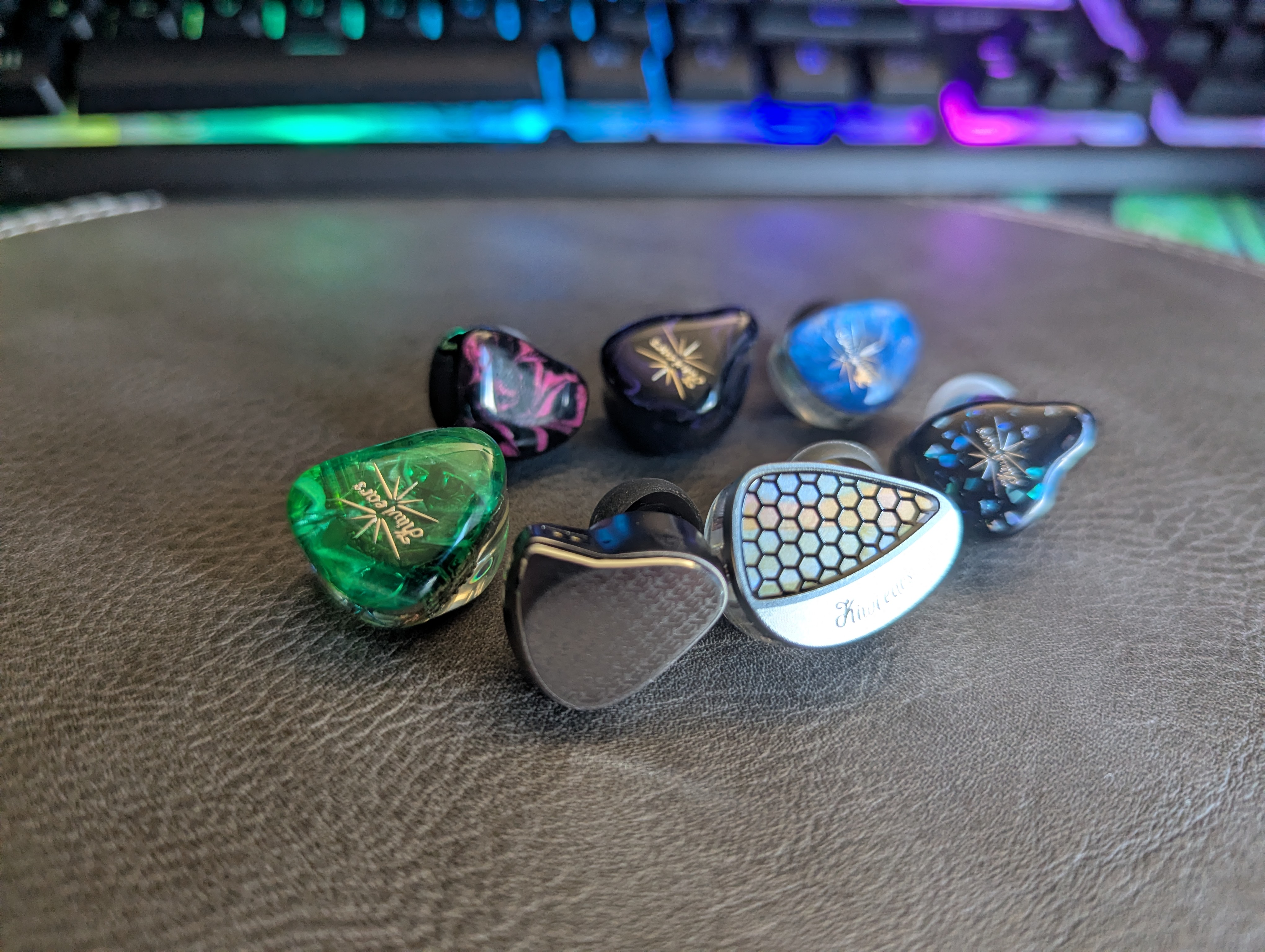
Craftsmanship: The Astral sports a sleek 3D-printed resin shell and comes in two vibrant colors: blue and yellow. Its faceplates are sprinkled with iridescent flakes, giving each pair a unique and eye-catching look.

Comfort: The Kiwiears Astral offered me comfort for long listening sessions even above 4 hours, with a secure fit that stays in place without causing discomfort. They also provide above-average passive noise isolation, making them a great choice for use in noisy environments like the bus and a cafe or restaurant. The shell is smooth and rounded in shape and should fir everyone well.

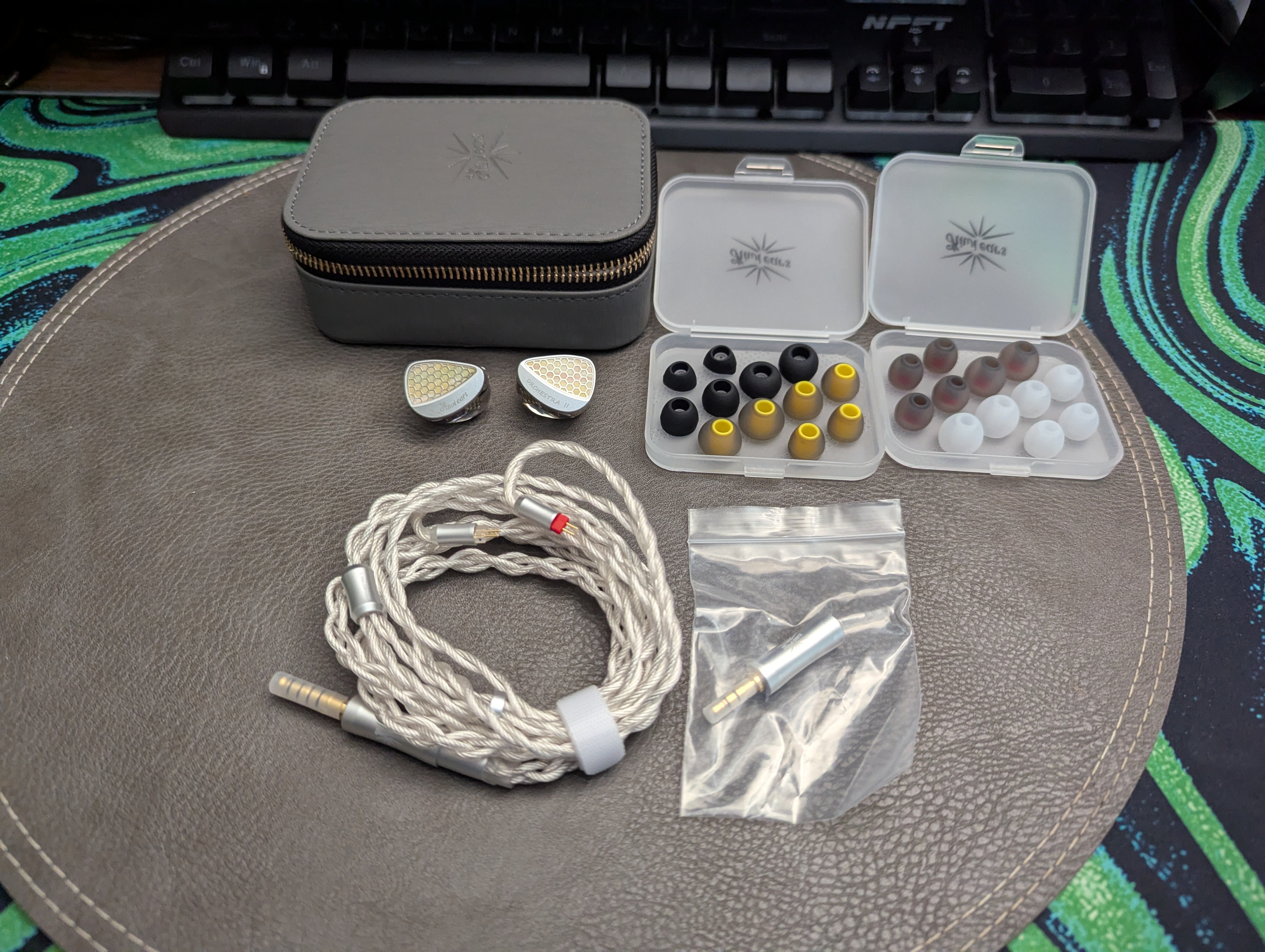
Accessories: The Kiwiears comes with a pleather case that’s noticeably smaller than its competition and barely fits the IEM and cable. It has a set of tips and replacement filters that is basically it. The Astral disappointed me with its lack of accessories at this price point. 

Sound Impressions: The KiwiEars Astral deliver a warm, blissful low-end extension, and despite the deep sub-bass rumble and punchy mid-bass kick, they have a speedy decay and immaculate control. This keeps the midrange clean, free from muddiness or any trace of distortion.  It just sounds natural and reminds me of listening to a good shelf system with Sub and full range speakers. 

The Midrange on the Astral is well placed with good separation and an almost neutral presentation, while not overly detailed it is highly clear and smooth / detailed with a decent amount of note weight and both male and female are equally presented and have enough energy to be enjoyable. 

The treble of the Astral is nicely extended, with no harshness or unevenness. It feels perfectly balanced, offering a gentle brightness and a pleasant touch of air and sparkle. There is a natural crispness and above-average detail, all without any splashiness or sharp peaks. 

The soundstage on the Astral is fairly wide but lacks a bit in depth and height. While it’s not holographic or massive, it would still be great for gaming. The imaging is well done and there is enough accuracy in its soundstage to be engaging in my opinion.

In a nutshell:

The KiwiEars Astral is a well-tuned IEM with a pleasant, moderately technical character, making it a highly enjoyable and versatile choice for most listeners.

Ziigaat Horizon

Specifications:

Driver Type: 1DD (10 mm biological diaphragm) + 2BA (Knowles 30262-163) + 2 Planar (custom composite dual planar drivers).

Frequency Response: 20Hz-35kHz.

Sensitivity: 102dB.

Impedance: 24Ω.

THD: 0.55%.

Jack Connector: Interchangeable 3.5mm SE and 4.4mm BAL.

Capsule Connection Type: 2Pin 0.78mm.

Cable Length: 1.2m.

Starting Price: 329$.

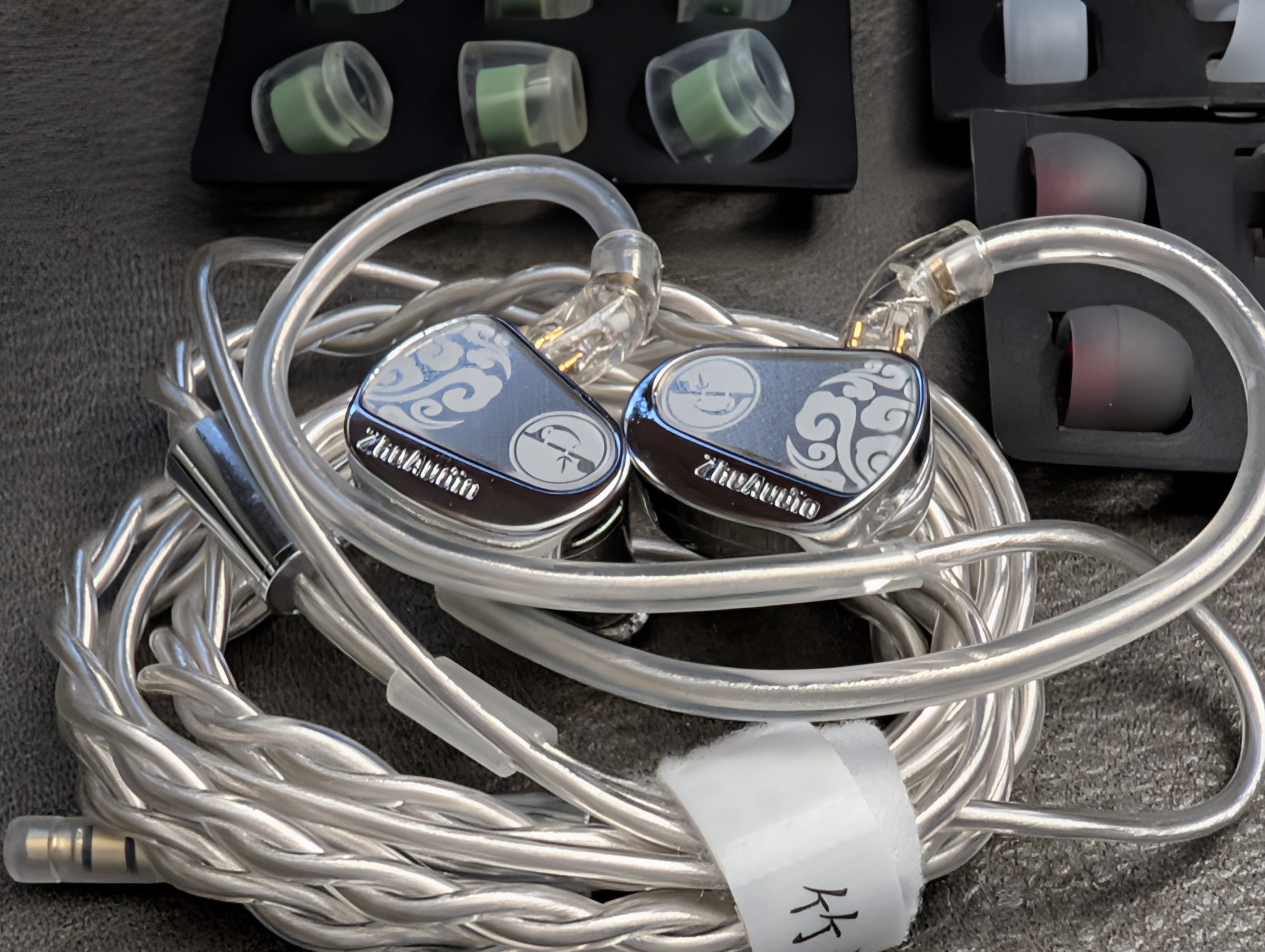
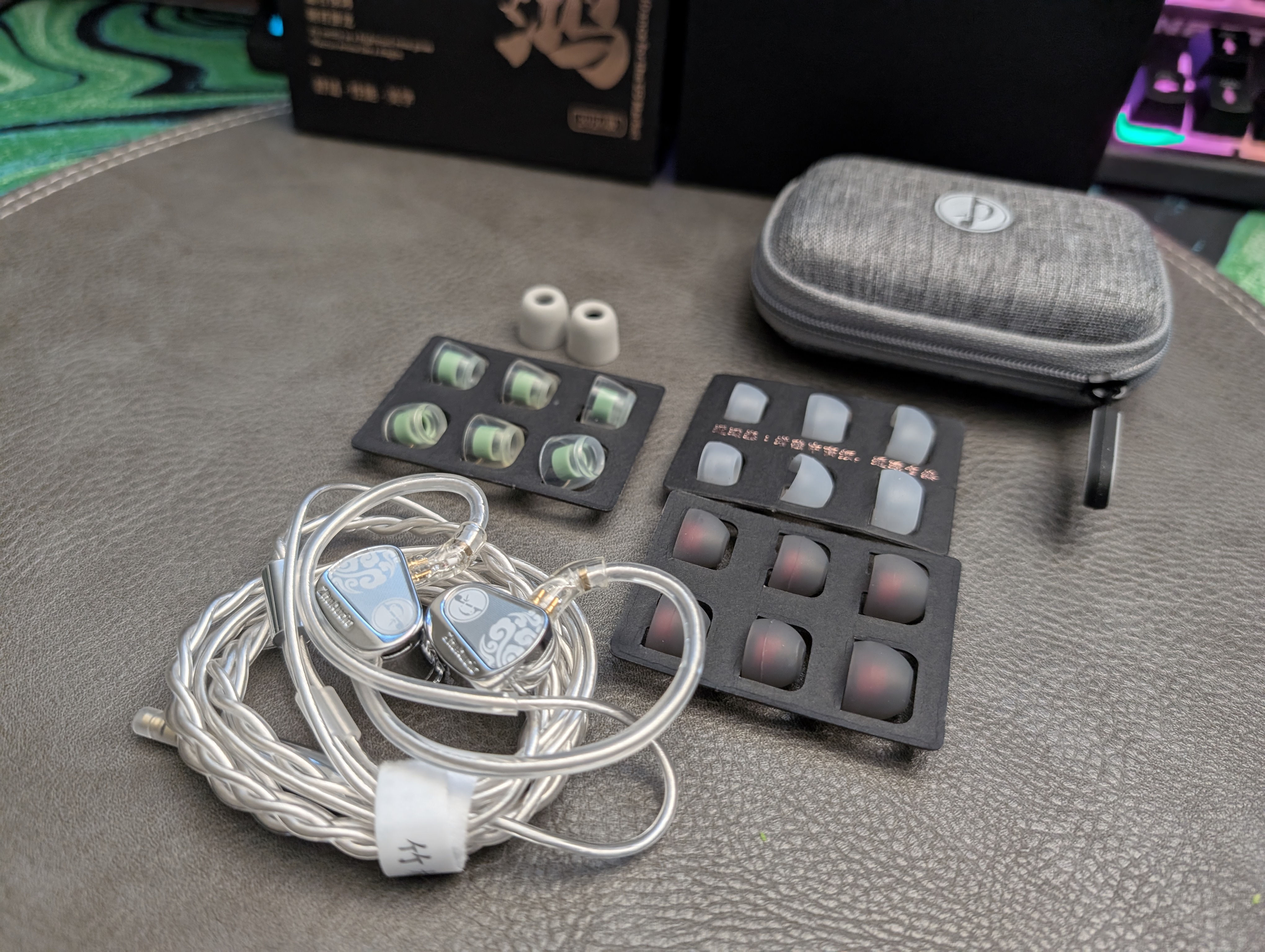
Let us start with the opening of the product, the packaging of all the Ziigaat product in the price range are similar. Good packaging with adequate information on the back. Inside one finds the Horizon then a box with all the accessories including a large case, inside the case smoke and clear tips in 3 different sizes and a set of foam tips, the cable and its two adapters 3.5mm and 4.4mm. The tips are very similar in sound profile, so I’m not sure why they are included and not a set of wide and narrow bore instead. The cable is well made but is meager compared to the others I have used in this price range.  For example, both the KiwiEars Astral and Punch Audio Martilo have a much thicker and better-looking cable included with them. It seems every Ziigaat seems to skimp on cable quality at $300+ range as for the case I personally like it because it can fit a small DAP or dongles along with the IEM. 

Build wise most of my Ziigatt collection is very similar, medical grade resin with smooth rounded edges the exception to the rule is the newer Ziigaat Odyssey 2 that uses a metal body but still has that familiar look.  I found the Horizon to be excellent at isolation with the medium stock clear and smoke tips, I don’t care much for foam. It was comfortable and did not bother me even after a day’s use.   

I know looking at the graph the whole ziigaat line look very similar but there are big differences in each one as well as similarities. 

The Ziigaat Horizon sound impressions:

Bass wise the Horizon is the quality of the bunch with an impact both deep but also detailed. Akin to a well-placed studio monitor, by far not anemic but at the same time not anywhere Bass head levels. Mild warmth and incredible speed make the Bass both enjoyable and tactile. It is more towards a well-controlled quality Bass experience than say the Kiwiears Astral with its super impactful deep wide subwoofer style warm bass. 

The Midrange on the Ziigaat is more of a natural yet transparent tuning, the lowers do not touch the mids at all making them have just enough body in the lower and plenty of air in-between instruments to relish every detail there, vocals are perfectly placed just Infront of the instruments without being right in your face. There are good separation and clarity throughout, and the emotion can be heard from both male and female vocals equally.

The Highs of the Horizon are crisp and airy with a delicate detail that sounds very open and natural without the harshness and uneven spikes of some IEM in this range. 

The Soundstage of the Ziigaat Horizon is amazing it is quite wide offering immaculate imaging and fine details not bogged down by busy recordings. There is both a good feeling of depth, Hight and wide-open space that feels immersive and holographic. This is probably the best stage from a ziigaat so far.

In a Nutshell:

The Ziigaat Horizon is a rare IEM offering both competent technicalities and wonderful synergy it is highly enjoyable as long as you know what to expect. No for Bass and Treble focused listeners, yes for everyone interested in detail and enjoyability!