Oneodio StudioMax1

Let us start with the packaging, its big and gives one that premium feeling, inside one finds the Studio Max1 sitting in there waiting for me to use it with enthusiasm, there is also a strange little box thing, it is the Oneodio M1 transmitter giving the Studio Max1 an ultra-low latency performance to its already great Bluetooth and wired capabilities. You will also get a long cable with both a 1/4 and 3.5mm end, a smaller 3.5 to 3.5mm with a full-sized adapter and a USB- C to A cable as well as a pouch that turns into a small backpack.

Oh yes and the simple but cool M1 low latency transmitter.

I put them on and began listening, the pads are super plush, and clamping force is light even on my big head. construction is mostly plastic like their other headphones but solid and no creaking or noises could be heard. There’s metal under the headband, but it’s also nicely padded.

My first listening was with the Bluetooth, and I was blown away.

I’ve been impressed with a few Bluetooth headphones before, but this one really caught me off guard. Honestly, I was expecting a bass-heavy, V-shaped tuning.

The Studio-Max1 delivers a rich, tight, and punchy low end with impressive clarity and impact. Both the sub-bass and mid-bass have great speed and texture, never lingering too long. It’s not often I get such satisfying control and slam.

Bass is forward and also wide, akin to a nice set of floor speakers in a small room.

The midrange has a slightly warm yet balanced, almost neutral presentation, with excellent forward vocals. Both male and female voices sound natural, carrying good body and emotion.

The Treble has a good amount of air and sparkle but is smoother in its tuning with no sharp edges. Still, it sounds great and I can hear each instrument with good clarity and spacing.

The SM1 surprised me with its very well-done technical Bluetooth performance, it is not an open back audiophile headphone but compared to the masses of V-shaped or Harman wireless it sounds more focused even if it’s still very fun and enjoyable. Soundstage is vast and has good depth as well with accurate placement and space.

Wired the SM1 loses a little stage and gained more bass but ultimately there basically the same tuning just with slightly less brightness and air in the presentation making it more Harman with Bass forward.

The list of features includes the M1 it gives the SM1 a slightly less bright sound but very close to the original.

The M1 boast an ultra-low latency (20ms)

The Studio Mx1 features Bluetooth 5.3 for easy pairing with phones, tablets, and PCs. It also comes with 3.5mm and 6.35mm wired cables for use with traditional audio devices. Boasting an impressive 120 hours of playtime in Bluetooth mode and 50–60 hours with the dongle, it’s built for extended listening. It is also certified for Hi-Res Audio and LDAC, with LC3 decoding support for lossless wireless transmission. Experience exceptional wireless listening and Dual-Mic ENC Clear Call – Dual-Mic ENC intelligently separates your voice from background music or crowd noise making it ideal for taking calls near or in crowded places.

In a nutshell: The Oneodio StudioMax 1 is a particularly unusual Wireless/ Wired set of headphones. both useful for DJ work, music enjoyment and games or movies. a good well-rounded device providing great sound with comfort as well.
Simgot SuperMix 5

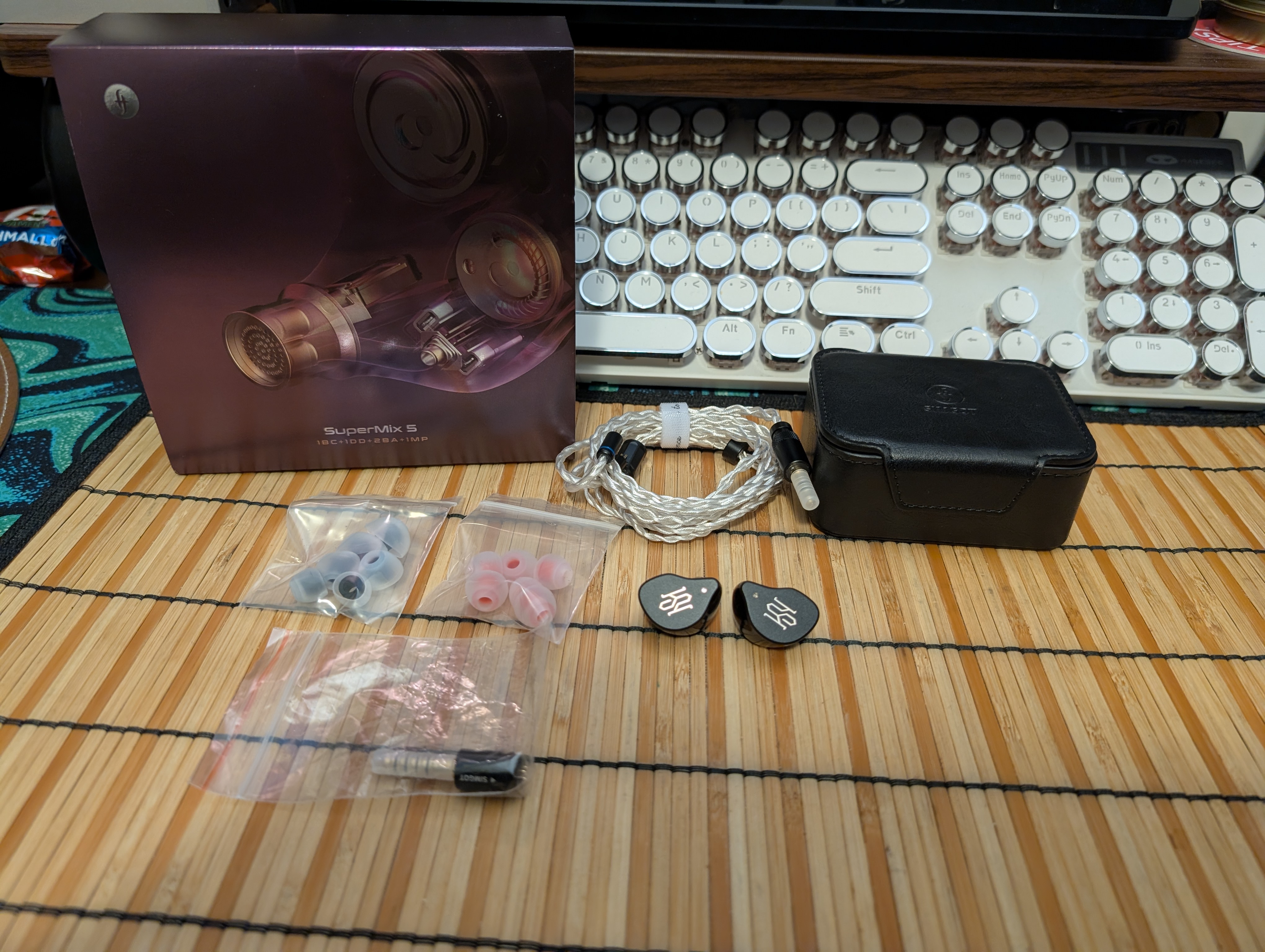
So, let’s talk about what’s in the box, build and package.

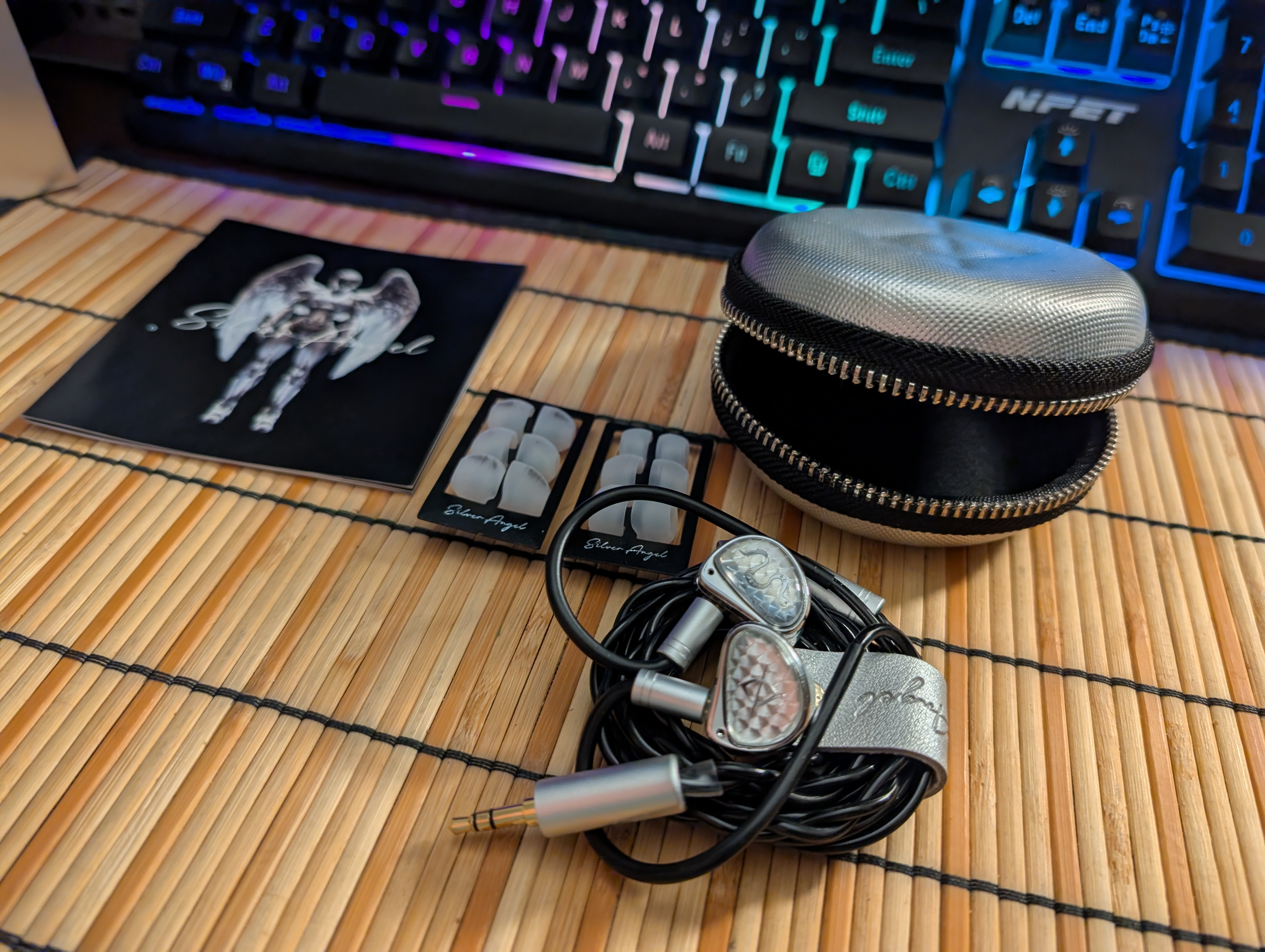
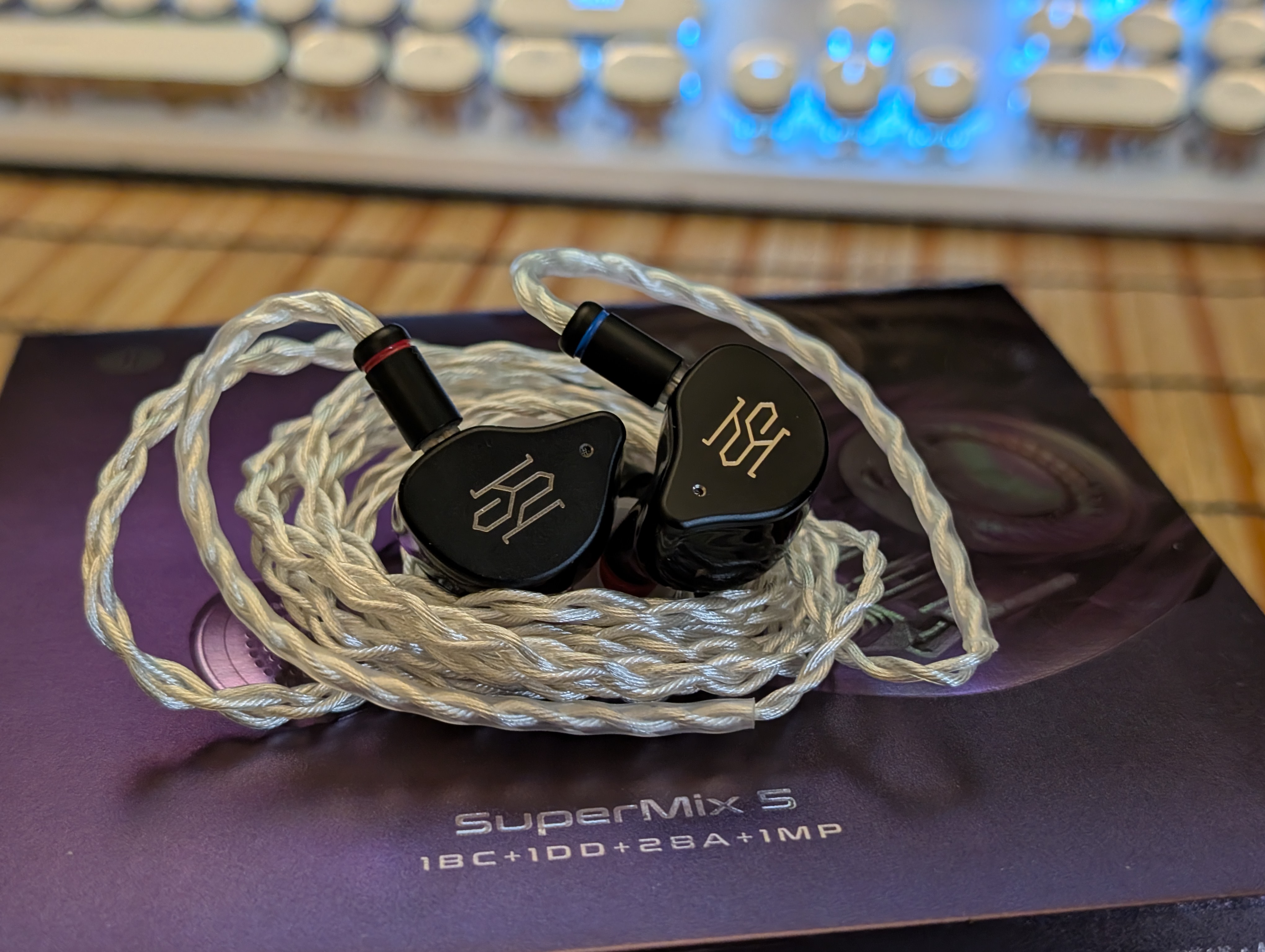
Inside one finds the super mix, a better case, two sets of tips in sizes small to large a good cable and the adapters both single ended 3.5mm and balanced 4.4mm the package itself is very similar to the original only purple now instead of green. I found the fit snug in my ears, and I usually don’t usually have many issues with IEM even super chunk KZ AS24 pro. isolation was super good as I couldn’t hear much on a busy Bus with them on, I wore them the entire day with the stock tips and without discomfort. 

Let’s talk about the equipment used because it has change drastically since I started this year’s reviews. 

Before I was really chaotic picking random stuff depending on my mood or what was just in to review. Now I like to use the same equipment give or take a few things. I do not use Bluetooth for testing unless the item is Bluetooth only, I feel even with LDAC the sound is changed too much. I don’t use EQ or aftermarket tips and cables testing as well, because the product is sold with its own. My reviews are stock only, after I’m done I will of course experiment and fine tune things to my liking. I used the ifi Valkyrie, the SMSL DS20, the Fiio KA13, Tempotec V3 Blaze and the Tempotec V1 for this review. For some after thoughts I used the Fiio CP13 cassette player and the DM15 CD player and Onn DVD player to bolster my opinion and for music enjoyment.  

 My Files are mostly WAV, DSD, Flac and some higher MP3 files but I do like to stream music when out if possible. While Rock, EDM, Jazz and Metal are old favorites, but I listen to a vast and eclectic list of music types depending on my mood. Everything from Taylor Swift to Herbie Hancock and Slipknot to Dwight Yoakam. 

So, let’s talk about the sound. To me music is so much like coffee so many IEM like so many distinct flavors and rich notes of different coffee beans from around the world. The Simgot SM5 is akin to a rich smooth Jamaican Blue mountain coffee with its richness and smoothness.

Sound Impressions: 

We will start at the Bottom and work our way up as usual. The Bass on the SM5 is not an overpowering monster as is with some of my favorite IEM, it falls into the lightly lifted Subregion with a mild but speedy Mid-Bass impact, and this is fine because it is less fatiguing for a long listening session and I like neutral also depending on what I’m listening too as well. 

The Bass is fine for every type of music, but Bass fans might find it a little subdued and calm compared to say the Punch Audio Martillo. Still there is good texture and it sounds quite natural and pleasant to this one’s ears.

The Midrange on the SuperMix 5 is very clear with low distortion and no bleed interruption from the Bass. While the notes are not as richly bodied as some, they do have good energy and some subtle warmth. Vocals are placed in front of the instruments and perhaps even the stage in the grand scheme of things. I didn’t find them shouty just crisp and less harsh compared to the SM4, they seem much safer tuned but just as enjoyable. There is less space between the instruments here but none the less it is good.  I think in general the SM4 was more critical and the SM5 is more musical and enjoyable or at least in the long run. 

The Treble is fairly simple to be explained. It is speedy with a nice smooth but natural overall performance; there is a fair amount of air and brilliance up top without the spiky and harshness of a overextended boost.  I can hear the crashing, and it’s so quickly dissolved with a good recording one hears everything without sharp edges that some IEM have. Not good for the treble heads but the sensitive to treble will like this one, I think. 

On the Technical side the SM5 is a bit less than its predecessor. With the Width not overly large, just above an average width but wide by many standards, it does have excellent Depth and Hight with a spot on imaging and could work for casual gaming. 

In a nutshell: 

The Simgot SuperMix 5 is a different IEM compared to the SM4 and while both are great, we should take into account what we are looking for in a IEM especially at the price range. I found it to be a very musical, warm and enjoyable set I could keep in my rotation permanently. 

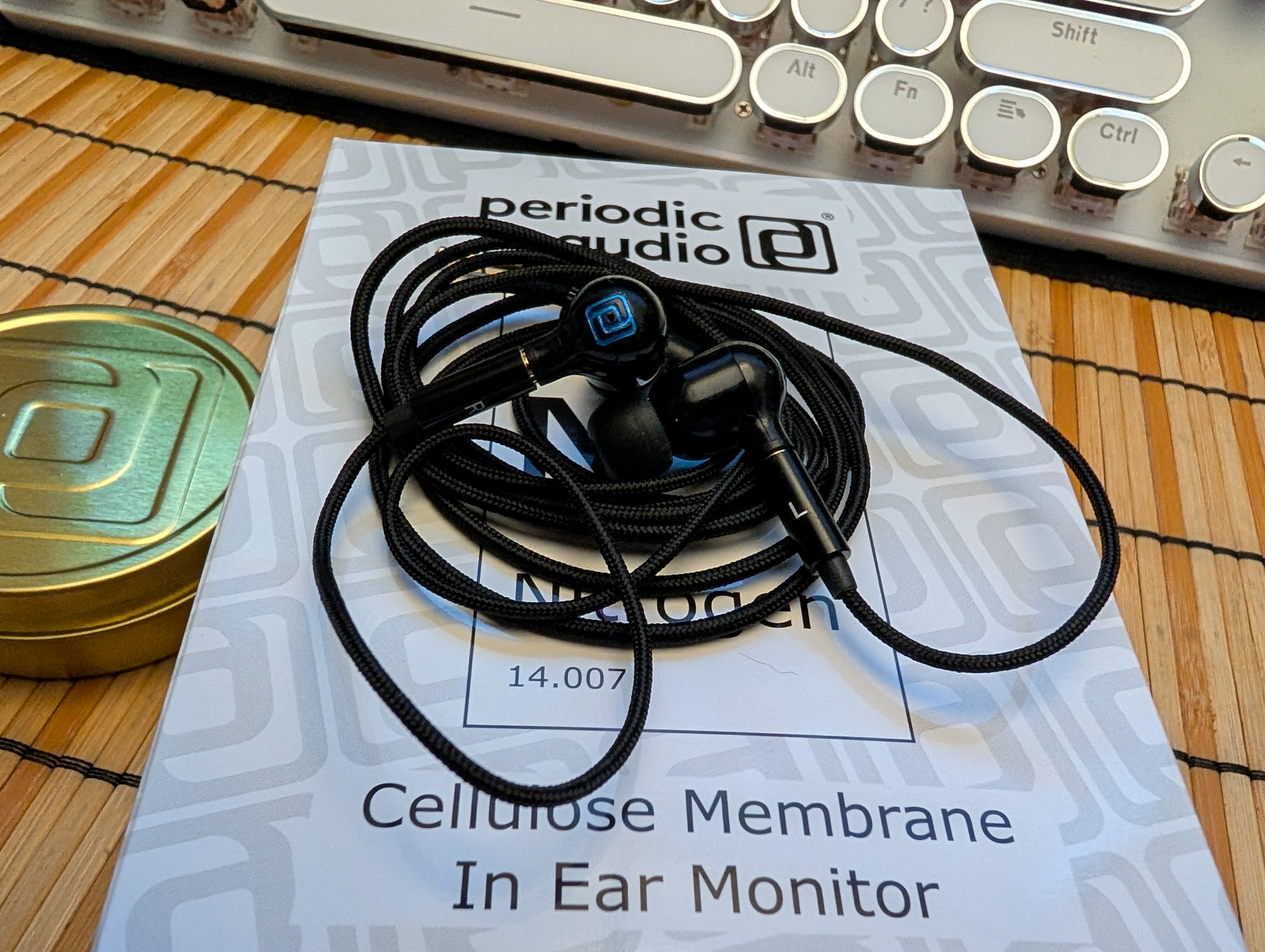
Periodic Audio Nitrogen

Transducer Diaphragm: Cotton-based paper

Transducer Surround: PEEK polymer

Transducer Frame: 316 Stainless Steel

Transducer Magnet: N48H Grade Neodymium

Enclosure Body: Tritan™ copolyester

Protective Grille: 316 Stainless Steel

Bonding Compound: Cyanoacrylate Adhesive

Sealant Compound: Polyvinyl Acetate

Mounting Tips: Medical Grade Silicone and Urethanes

Connector: IDEEL 2.5mm TS compatible connector (tip hot, sleeve ground)

Performance Specifications:

Frequency Response: 20 Hz to 25 kHz

Impedance: 16 Ohms nominal

Sensitivity: 99 dB SPL at 1mW in ear

Power Handling: 200 mW continuous

Peak SPL: 119 dB

THD: Less than 0.7% THD at 1mW

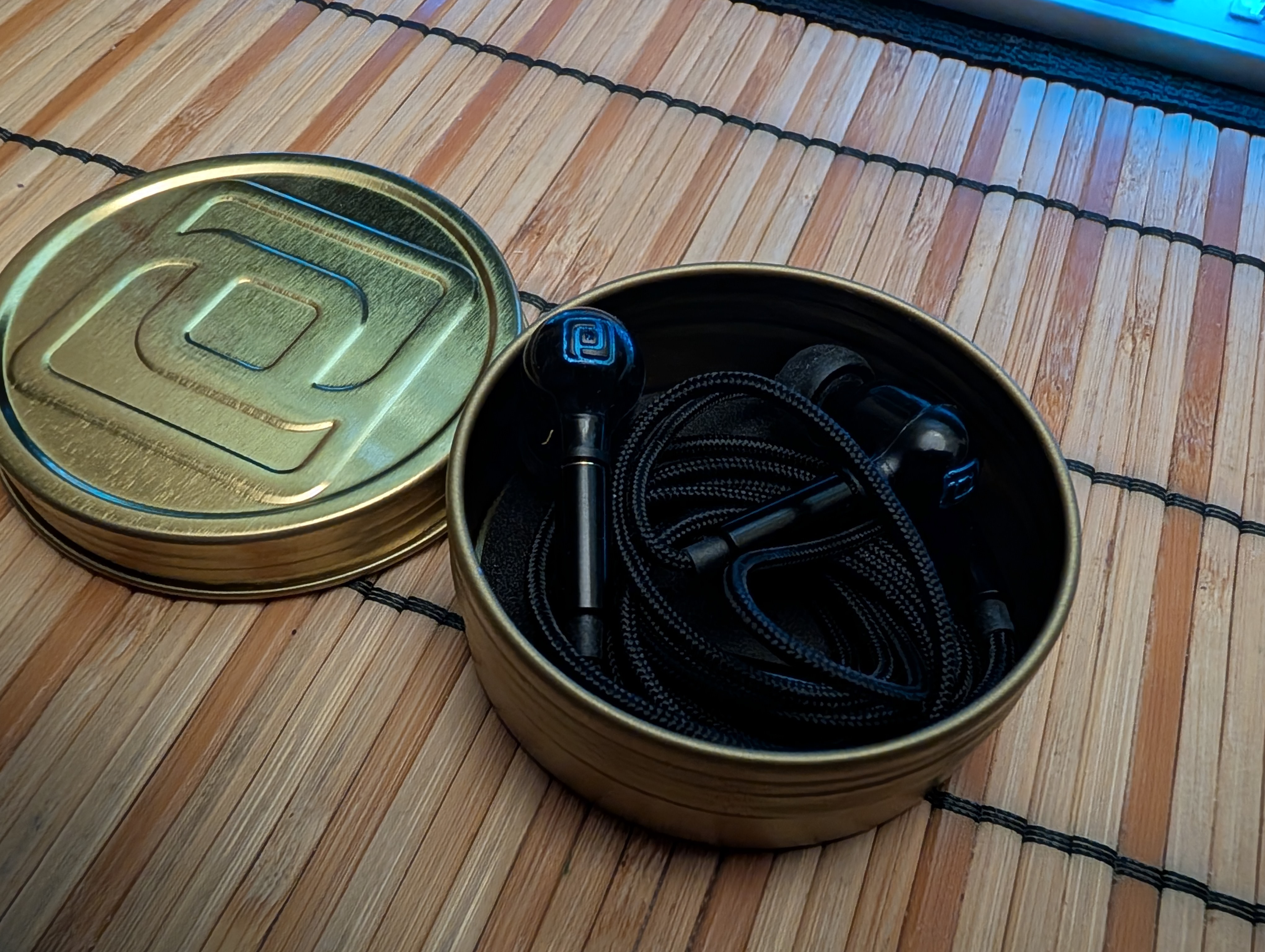
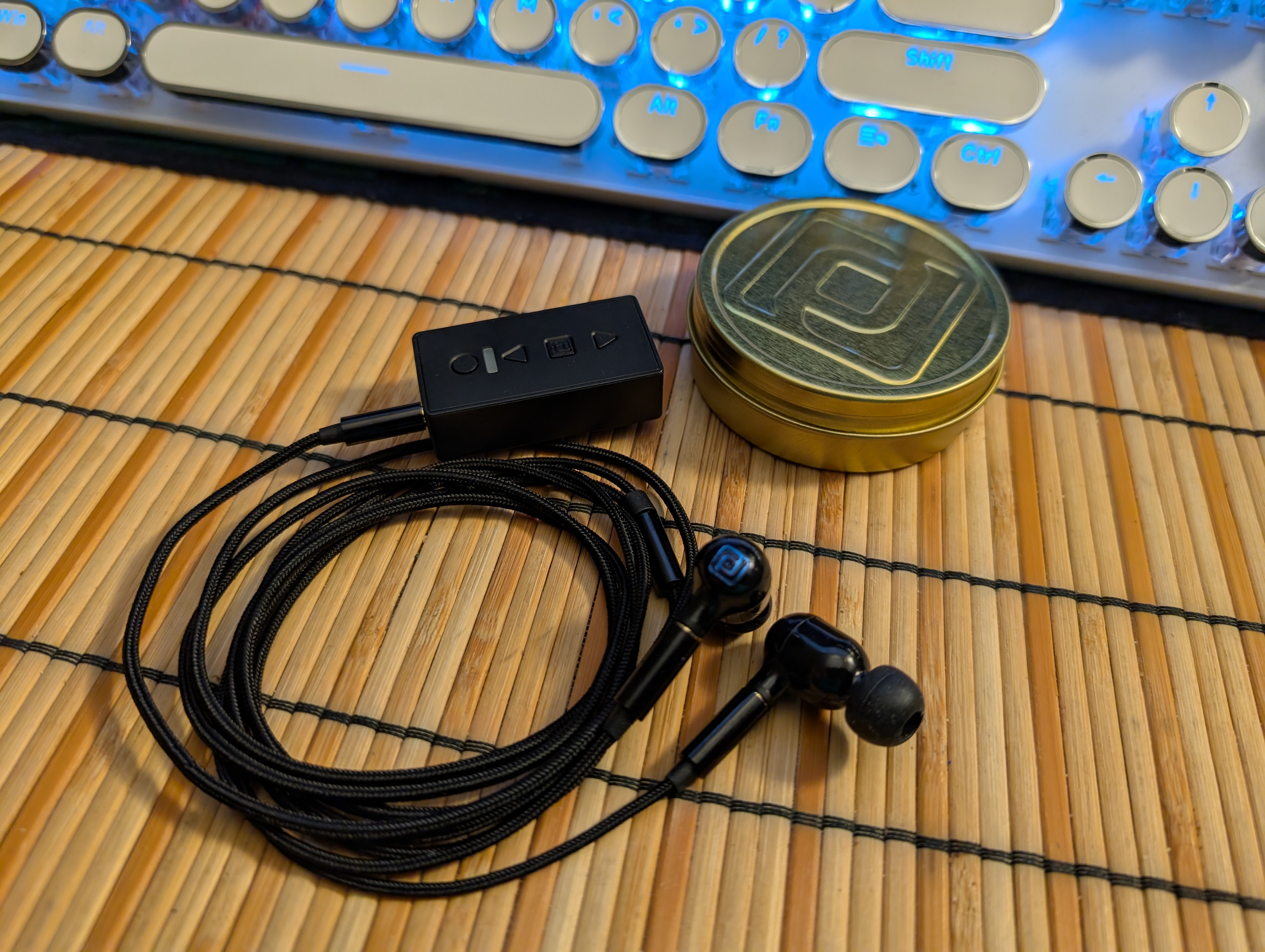
Those not familiar with Periodic will find the unique style cable and dual 2.5mm connection a little odd, but according to them it is more robust than two pin and MMCX. The package includes the Nitrogen, a metal tin carrying case, both a full-size adapter and an airplane adapter. The barrel shape of the Nitrogen is chucky but provided a decent seal and comfort.

I found the Nitrogen to be much different sound wise compared to the others I own like the Magnesium and Beryllium; those were more towards a V-shaped and more robust in the lowers.    

The Nitrogen comes in much more refined and neutral The Bass is not anemic by any means just more linear in its presentation with a less emphasized punch. There is good speed and details. 

The Midrange on the Nitrogen can be clear and with a mild warmth and more intimate in its vocals but still placement is realistic. 

Treble has air and mildly sparkles but is not harsh or over energetic. Its safe and detailed.

The technicals are good, soundstage is very accurate but not wide or deep, just natural like sitting in a small room listening to monitors on your desk.  

Ear Acustic Audio STA-Hi-End

PXL_20251130_204736980.jpg

Specification:

Driver Configuration: 10mm Ultra Clear Analysis Dual Magnetic DLC Diaphragm + 6mm Composite Diaphragm Dynamic Coil Unit

Sensitivity: 110dB

Impedance: 30 ohms

Frequency Response Range: 10-30,000Hz

Wire Specification: 0.78mm Dual Pin Oxygen-Free Copper and Silver-Plated Wire Mixed Weave, 1.20m

Inside the Box:

1 x EarAcoustic Audio STA Hi-End Series

2 sets of wide and normal bore ear tips with 3 pairs each

2 core cable

Hard shell carrying pouch

User Manual

PXL_20251130_195753408.jpg

Ear Acoustic audio is TFZ, a company I once was a big fan of.

Opening the rather large box one finds the very nice-looking IEM and a big round case, included like above is the tips and the cable and documentation.

The shape reminds me of the great KBear Diamond from the past. I found it fit my ears well and provided good isolation and comfort.   

Sound wise I find it very similar to the other EAA I tested the STA-K, I think this one offers a little finer tuning and details, but both are fun.

The Bass of the Hi-end is well delivered with a nice impact and minimal distortion. I find both Sub and Mid Bass well implemented and akin to a nice set of full range speaker with a sub. The Bass is nicely textured, and Sub is a small distance from the mId making the MidBass stand out in clarity. Speed is average and there is little bloating to me.

The Midrange of the STA is amazing; it has little to no recession despite this being a bass set. Vocals stick out for being well bodied and rich/ smooth like silk. Both Male and Female vocals are very pleasant and sound quite natural.

The Treble of the STA HE is energetic and has a nice crisp presentation with decent air and openness.  Instruments a clearly head and it has good separation.

The Technical side of the IEM is presented above average with a moderately wide soundstage and a little more height than depth. imaging and accuracy in general are good.

In a nutshell:  The Ear Acoustic Audio (TFZ) is a well-rounded Bass driven IEM with good performance for cost and it looks fancy too!

[MEDIA=youtube]OvnYf-aO2h8[/MEDIA]

Punch Audio Portazo

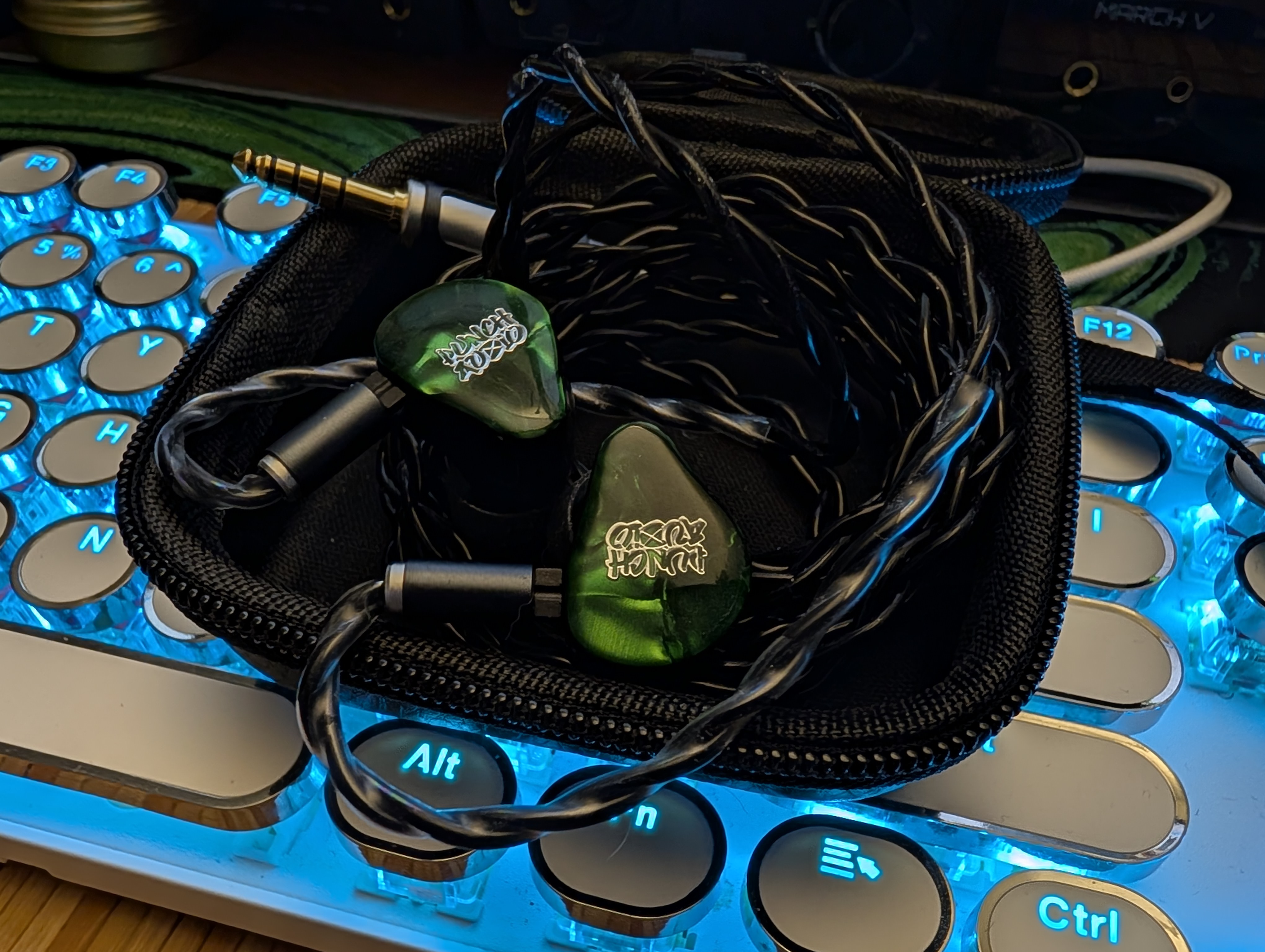
The punch audio IEMs are synonymous with Bass The Portazo is not unique in this manner rather a further evolution of the gentleman’s Bass cannon. Inside the package is the units with small medium and large tips in a smoke silicon and the same in foam.  The case is large and roomy and could fit a small dongle or BT receiver.  The cable is very similar to its much more expensive sibling and also modular something I like very much. 

Isolation was excellent with the stock tips for me, I prefer the silicone, and the medical grade resin was comfortable for all day use. 

Sound-wise, the Punch is similar to the Martilo, but the bass feels better delivered on the new one, with more energy in the upper range. 

Sound Impressions:  

The Punch Audio Portazo delivers a robust low-end impact thanks to its impressive hybrid internals. The sub-bass is impactful and well-textured, while the mid-bass is punchy with good speed and power, though it slightly trails behind the sub-bass and lacks the ultra-fast response some music genres demand. It shines with classic rock and jazz but struggles a bit with speed metal. Overall, the bass is satisfying for most listeners, though hardcore bass heads seeking deeper, more detailed lows may want more. The midrange is as expected for a set with strong sub-bass: warm, lush lower mids that sound decent but recessed, with male vocals carrying richness and body but lacking energy. Female vocals fare better, with a lift in the upper mids giving them more forwardness and brilliance. Depending on the source, the mids can sound quite good, with minimal bass bleed compared to other bass-heavy IEMs, though some still remains. The treble is smooth yet present, not the most open or airy but offering good detail and a natural, controlled sound. It’s a safe tuning that suits the unit well, though a touch more sparkle would be welcome. The soundstage and technical performance sit slightly above average for a V-ish or U-ish tuning, though imaging and width are just average for the price. Not ideal for gaming, but solid for most music.

In a nutshell:  

The Punch Audio Portazo is an enjoyable set with stellar build quality, nice accessories, and a fun, engaging sound.

Ziigaat Arcanis

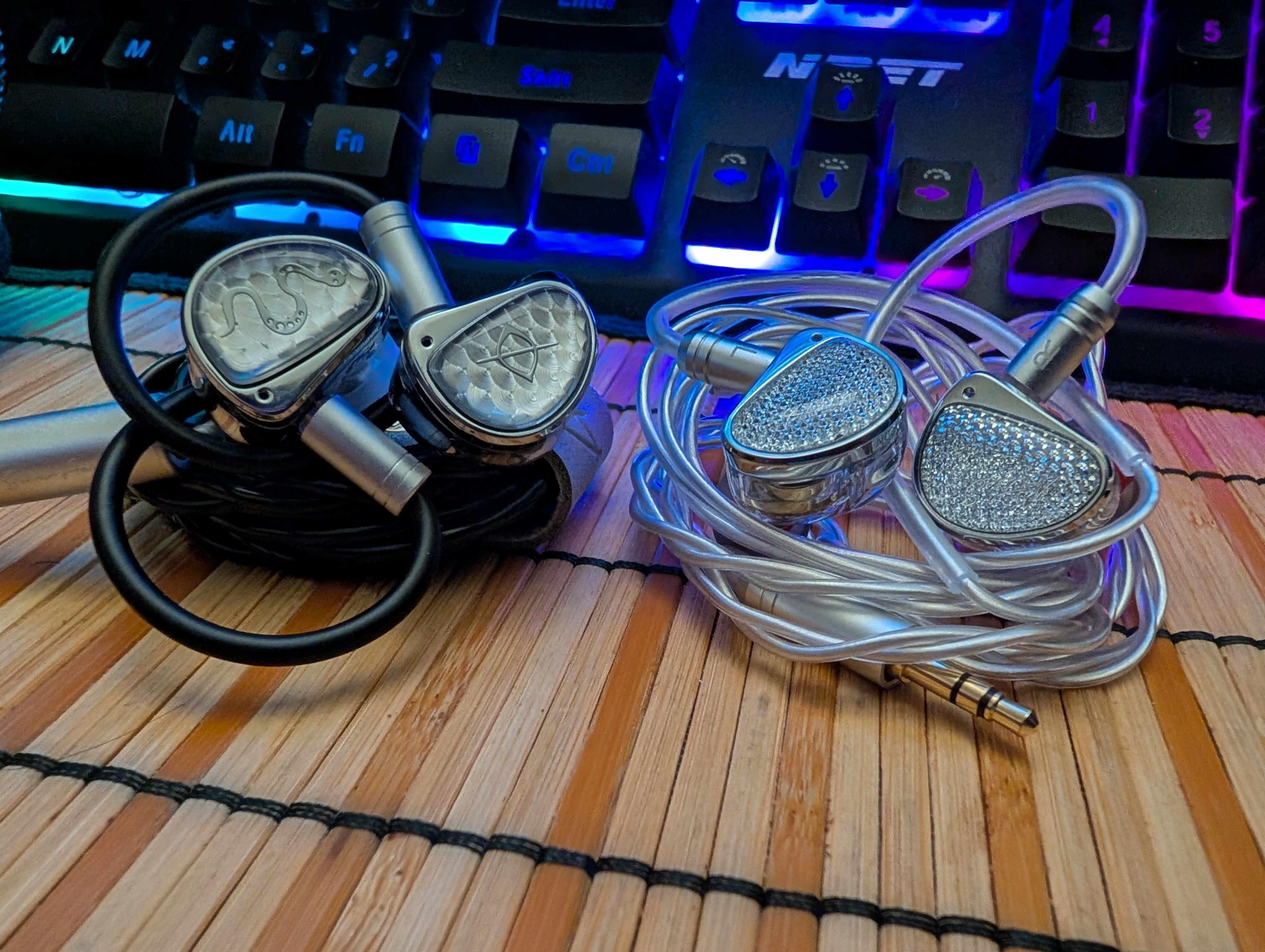
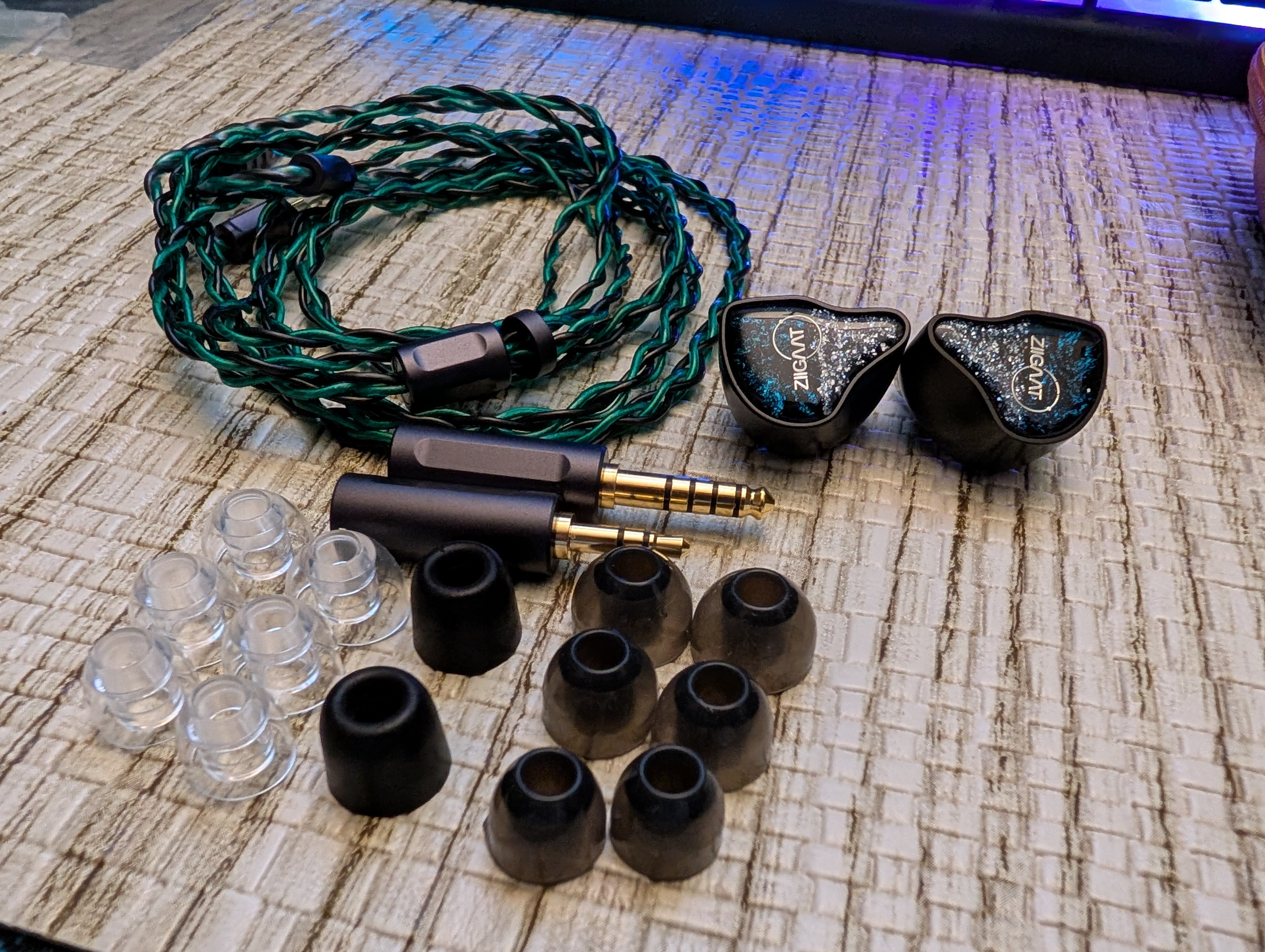
The ZiiGaat Arcanus is a universal IEM priced at $399.00, featuring a hybrid setup with dual 10mm dynamic drivers and five Knowles balanced armature drivers in a 4-way configuration.

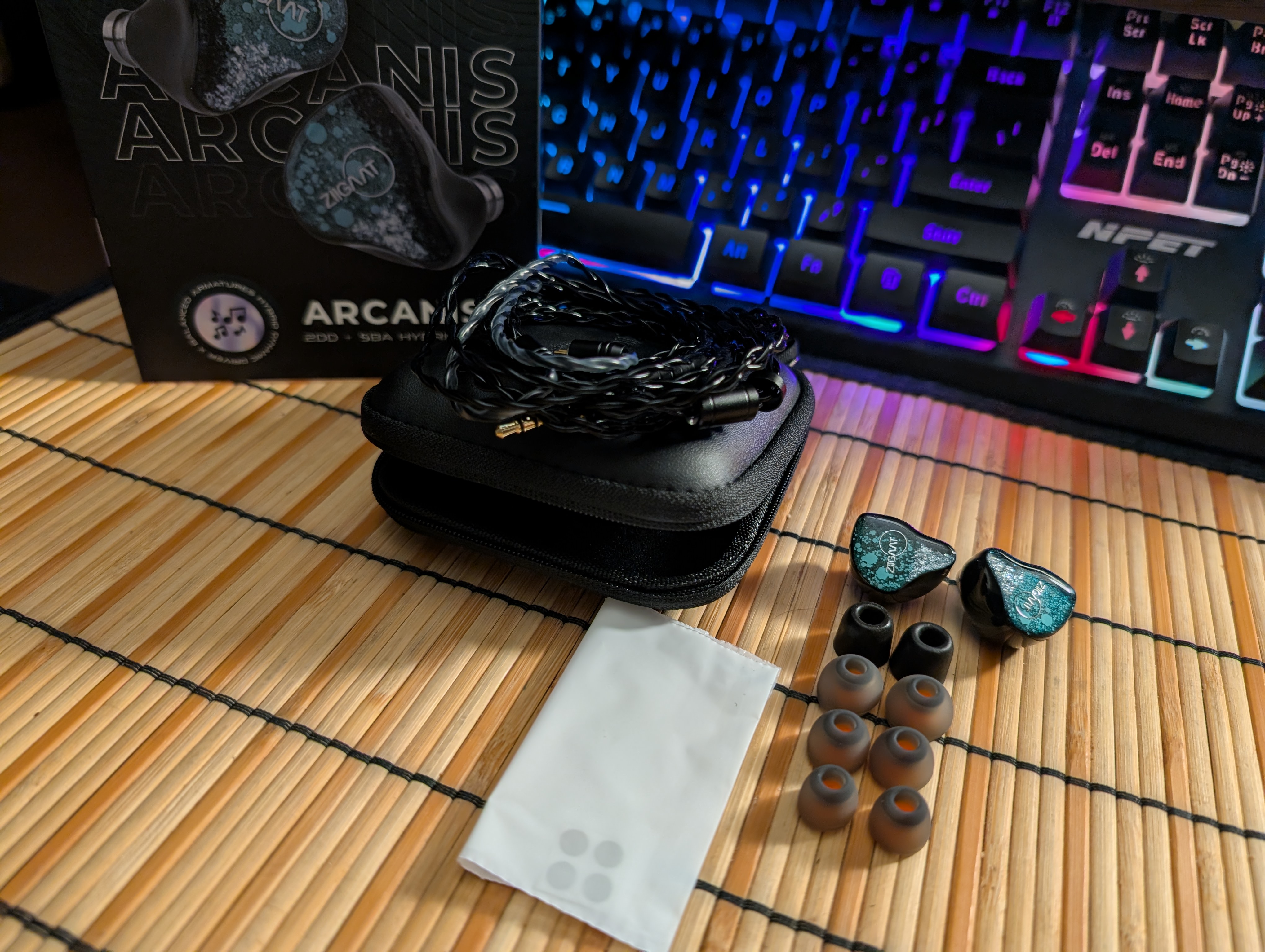
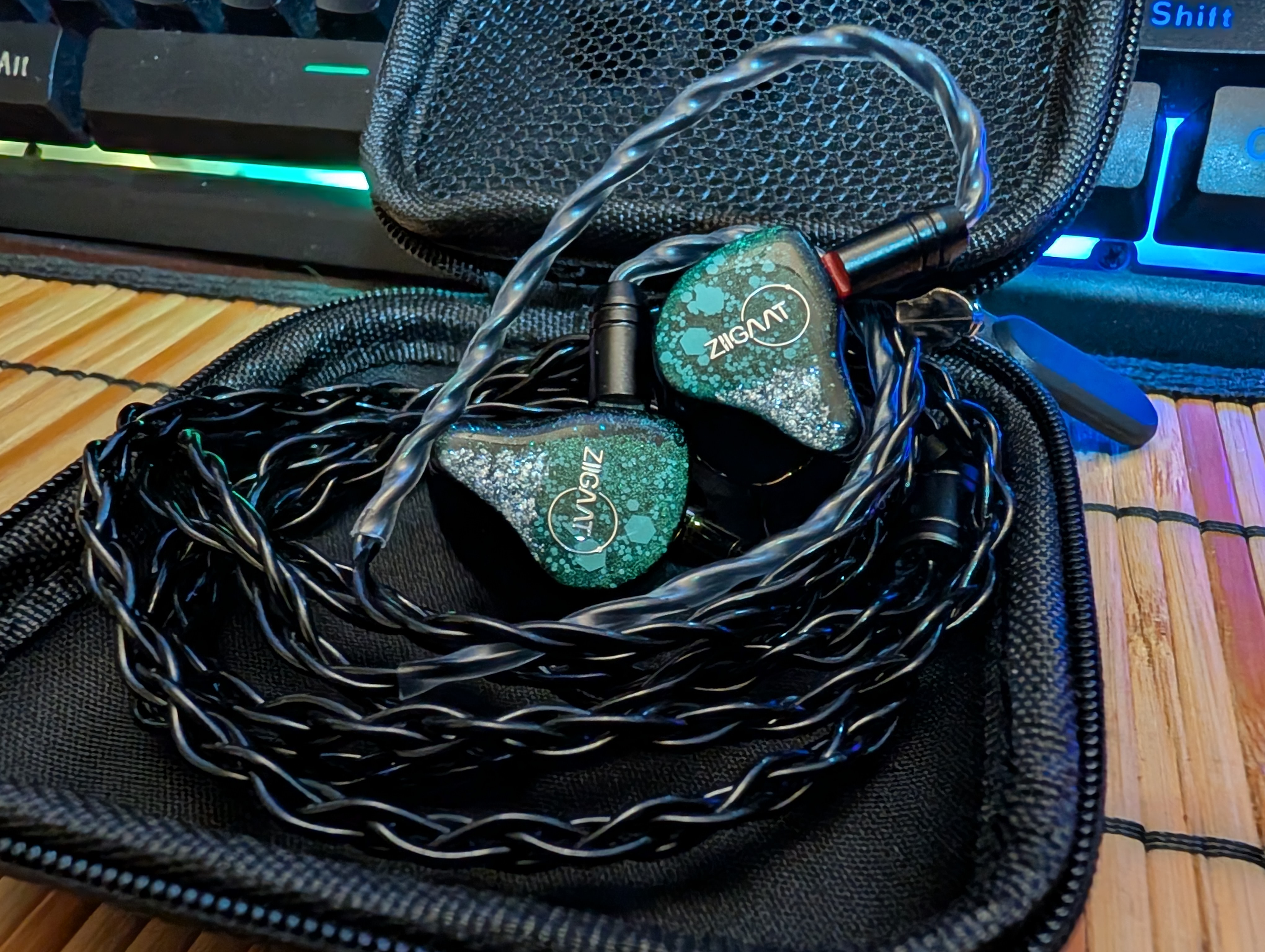
Inside the box is a simple yet adequate amount of accessories to get started. You get a case, a non-balanced cable, a set of silicon tips in 3 sizes and one set of foam tips and some replacement filters.  The Arcanis is a little older and has the old-style case.  The build quality is as expected beautiful looking faceplates with a nice rounded medical grade resin body. 

I found the comfort to be perfect and the isolation with the stock tips to be excellent.  I personally would have liked a balanced option for a flagship. 

Equipment used: 

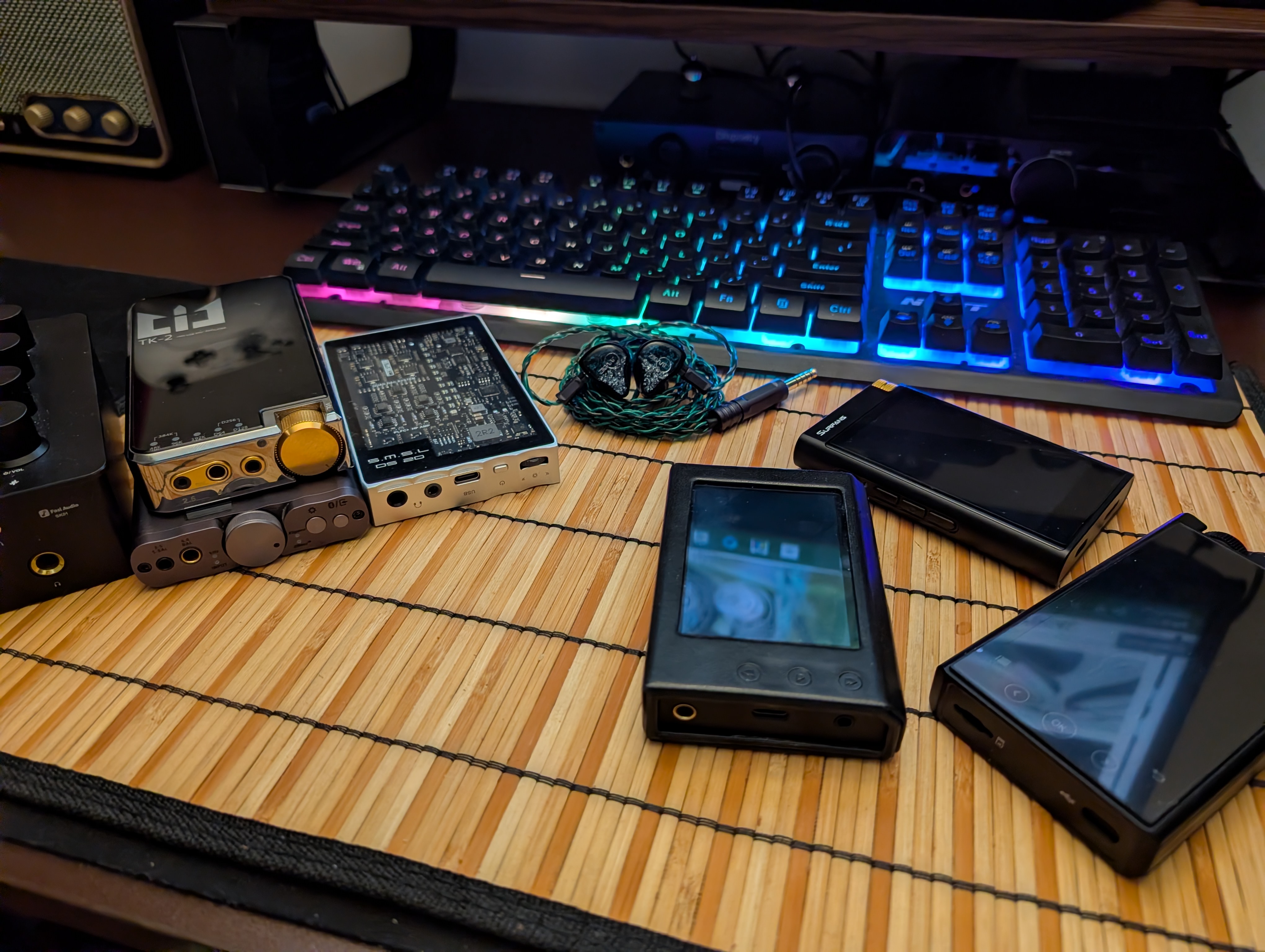
I used the SMSL DS20, ifi Gryphon and Valkyrie and the Tempotec March 3m and V3 blaze as well as the NiceHCK Octave dongle.  

Specifications:

Driver Type: Dual dynamic driver with 10mm PET diaphragm, 2BA Knowles 29689, 2BA Knowles 32873, 1BA Knowles 33518.

Sensitivity: 106dB.

Impedance: 12Ω

THD: 0.42%.

Jack connector: 3.5mm SE gold-plated.

Capsule connection type: 2Pin 0.78mm.

Starting price: 399$.

​Listening now to the Arcanis now for some time. I can say it is far more refined than the Arcadia and has a deeper bass response than the Crescent. 

The dual subwoofers produce a amazingly detailed and unique bass profile that is wide and deep but so mature and balanced.  Listeding to bass heavy music the Arcanis rumbles well with both control and authority, on faster metal songs the bass speed and fine tuning are apparent.  

The Midrange on the Ziigaat is well done, a mild bleed perfectly acescents the lowers giving warmth to male vocals and instrument to create a nature lush sounding presentation while the uppers are slightly boosted to give energy to female vocals keeping thing balanced and natural. Vocal placement is slightly in front and perfectly clear. 

The Treble on the Arcanis is almost neutral in its presentation with a mild lift but no spikes or harshness. The energy is well controlled but has good sparkle and air. Cymbals and other instruments sound detailed with enough crispness to be enjoyed. 

The technical side of the Arcanis is immersive and accurate, it has a nice open soundstage with great separation and imaging at an almost reference level. 

In a nutshell the Ziigaat Arcanis is a proper flagship offering a balance of great performance with high enjoyability, I personally like this one best out of my Ziigaat collection best. 

Punch Aidio Martilo

Specifications / Technical Details

DRIVERS : 1 planar driver / 2 balanced armatures (Knowles RDE) plus 2x8mm dynamic drivers

SENSITIVITY : 100dB @ 1kHz

FREQUENCY RESPONSE : 10Hz-22kHz

IMPEDANCE : 9 Ω @ 1 kHZ

CABLE : 2-Pin 0.78 mm to 3.5mm/4.4mm (modular plugs)

1 Micro Planar Driver + 2 Balanced Armatures + 2 Dynamic Drivers,

priced around $329.

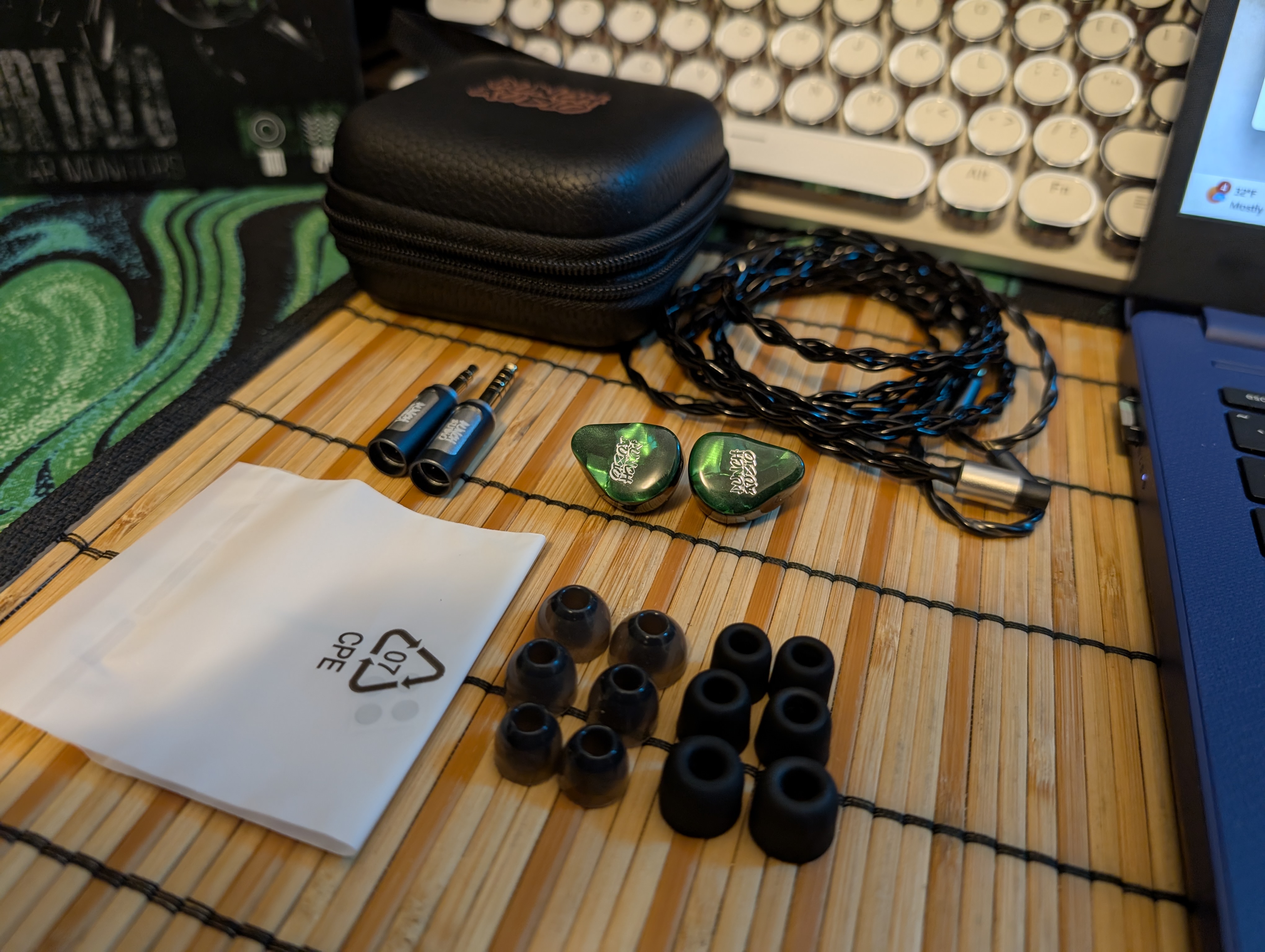
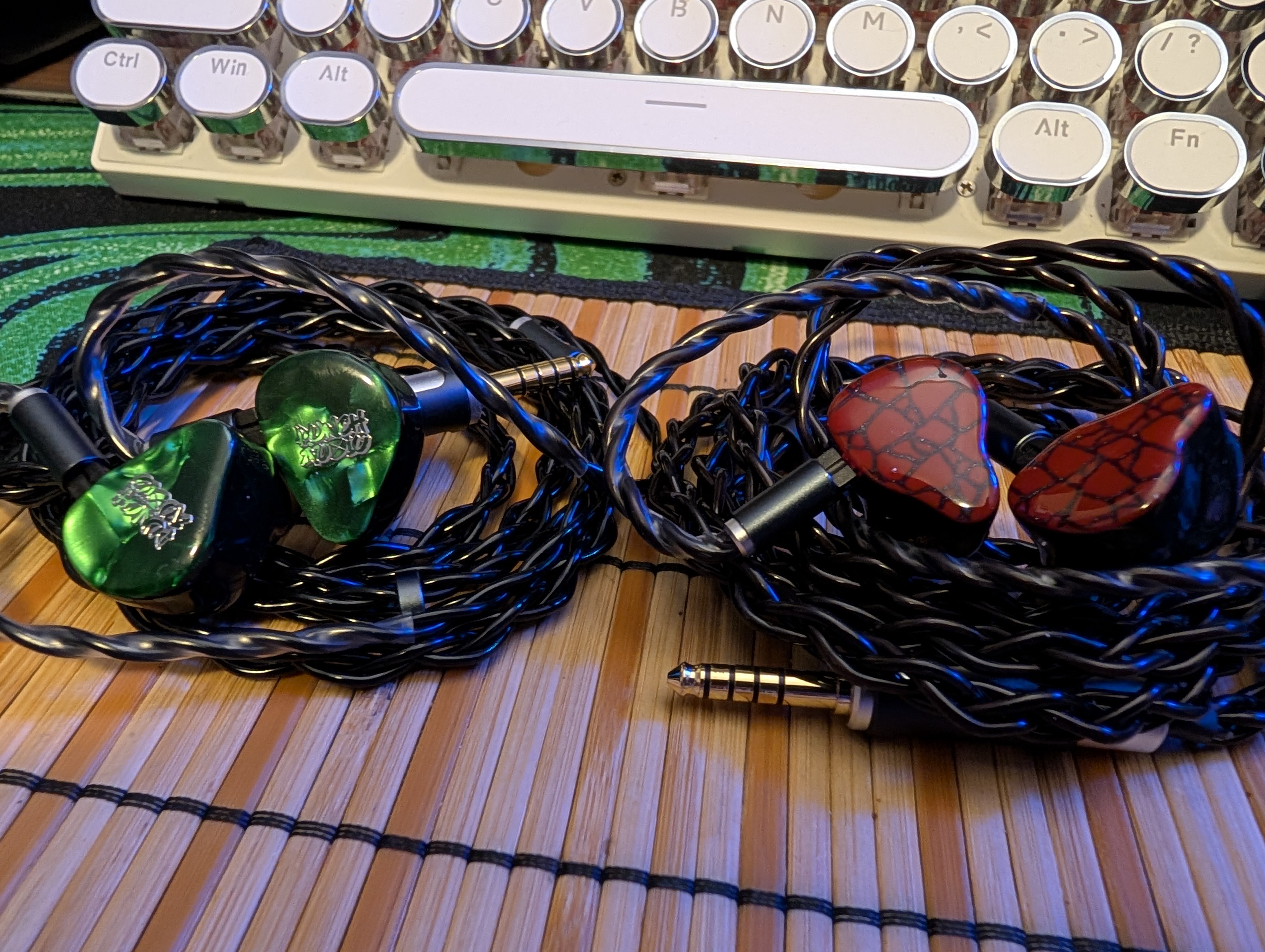
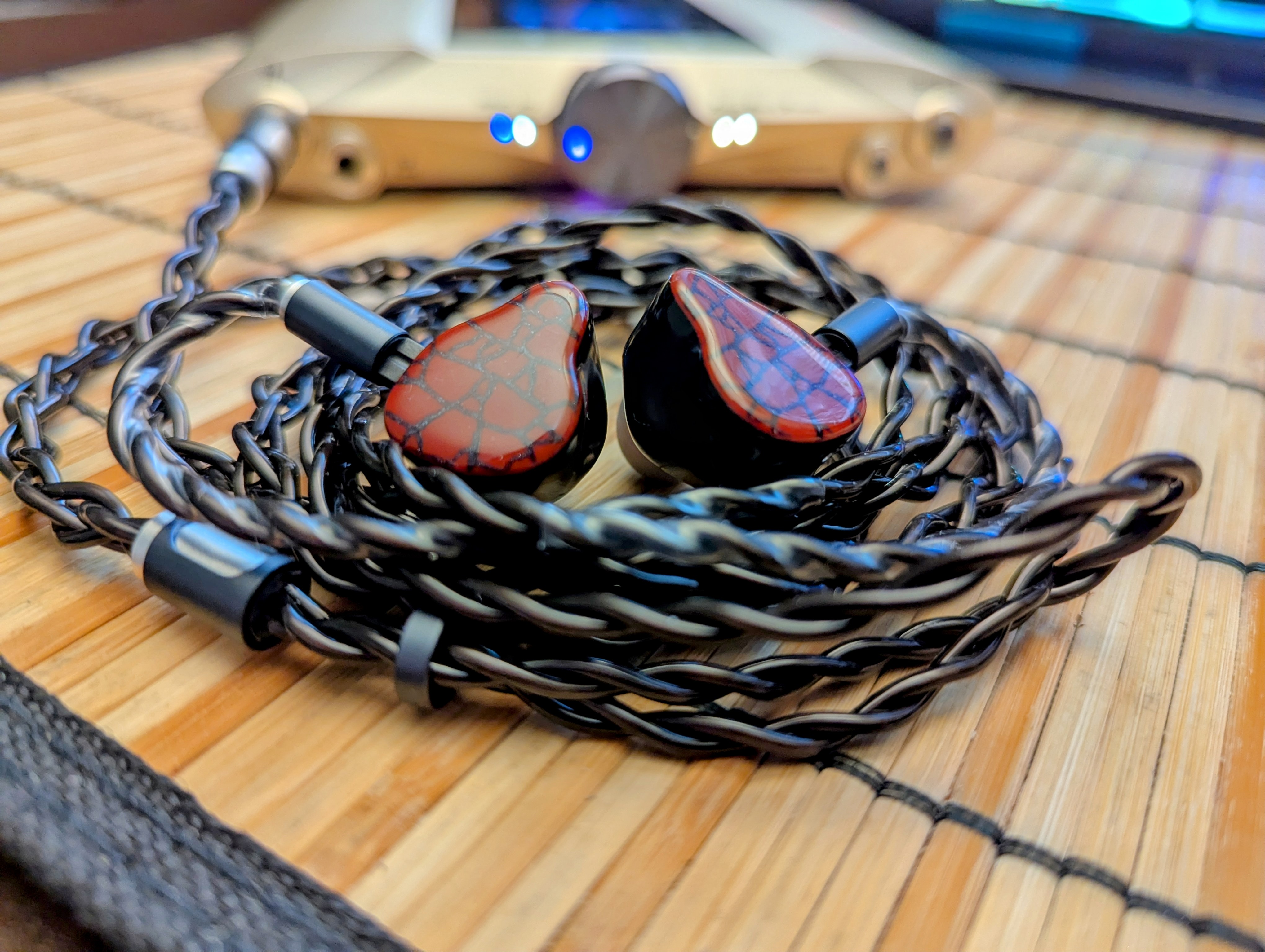
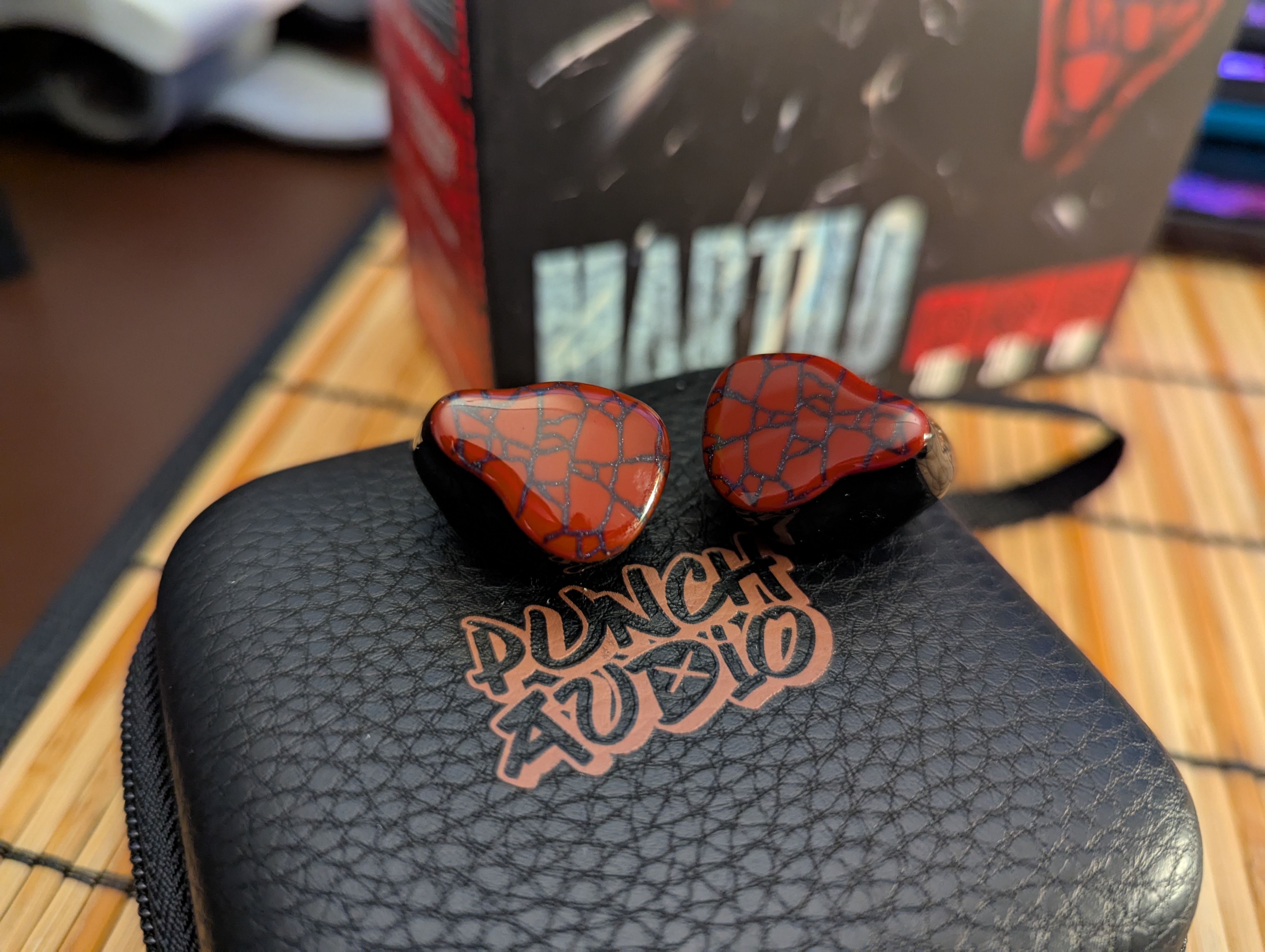
Okay let’s start with the packaging. Cool eye-catching graphic here on this first try of a brand I’ve never used before. The soft, smooth feel of the medical grade resin and guitar pick shaped shell are excellent for all day use as is the passive isolation with the provided tips. the case is large and fits everything nicely, while the cable is thick and modular it is coated well and doesn’t tangle easily, honestly one of the best cables I have seen in this price range. The provided tips are adequate and comfortable.

Testing, as always, starts with the same tracks and my go-to devices like the Tempotec V1, V3, V6, and March III, along with the iFi Gryphon, Valkyrie, SMSL DS20, SP200, and my collection of dongles. After the thorough testing phase, I’ll occasionally pair it with other equipment, and over time, I form my thoughts and opinions about the item.

Sound Impressions:

The Punch Audio Martilo presents with a robust lower impact from the wonderous hybrid internals.  The Sub-Bass is impactful and well textured. MidBass is punchy and has a good speed and power but slightly falls behind the Sub in most instances and lacks a super-fast response needed for certain types of music. Although it was very good listening to classic rock and jazz its didn’t o so well with speed metal and the like.  Still the Bass is good for all but the most decerning Bass Heads looking for a deeper and yet better detailed quality lower end.

The Midrange of the Martilo is as expected with a heavy and wide Sub response, warm and lush lower mids fall behind the music and sound decent but recessed, male vocals have body and a richness but lack energy. Female vocals sound a little better due to a lift in the upper midrange and sound more forward and brilliant.  Depending on the source the midrange can sound pretty good as there is little bass bless compared to other heavy bass IEM but there is still some there. 

The treble comes in smooth but not lacking, while not the most open and airy sounding extension there is a good amount of details there and things sound natural and tame. Its a safe tuning but works good for this unit, still I would have liked more sparkle up top.

Soundstage and overall technical performance is slightly above average for a V-ish maybe U-ish tuning but in this price-range, perhaps just average in overall imaging and width. Definity not good for gaming but decent for most music.

In a nutshell:

The Punch Audio Martilo is a enjoyable set with stellar build, good quality accessories and its very fun! 

Ziigaat Odyssey2

Specifications:

Driver Type: 10mm second-generation bio-cellulose diaphragm dynamic driver, 2 Knowles 32873 balanced armature drivers, 1 Knowles 33518 balanced armature driver.

Frequency Response: 20Hz–25kHz.

Sensitivity: 105dB.

Impedance: 20Ω.

Total Harmonic Distortion (THD): 0.19%.

Jack Connector: interchangeable 3.5mm SE and 4.4mm BAL.

Capsule Connection Type: 2Pin 0.78mm.

Starting Price: $249.

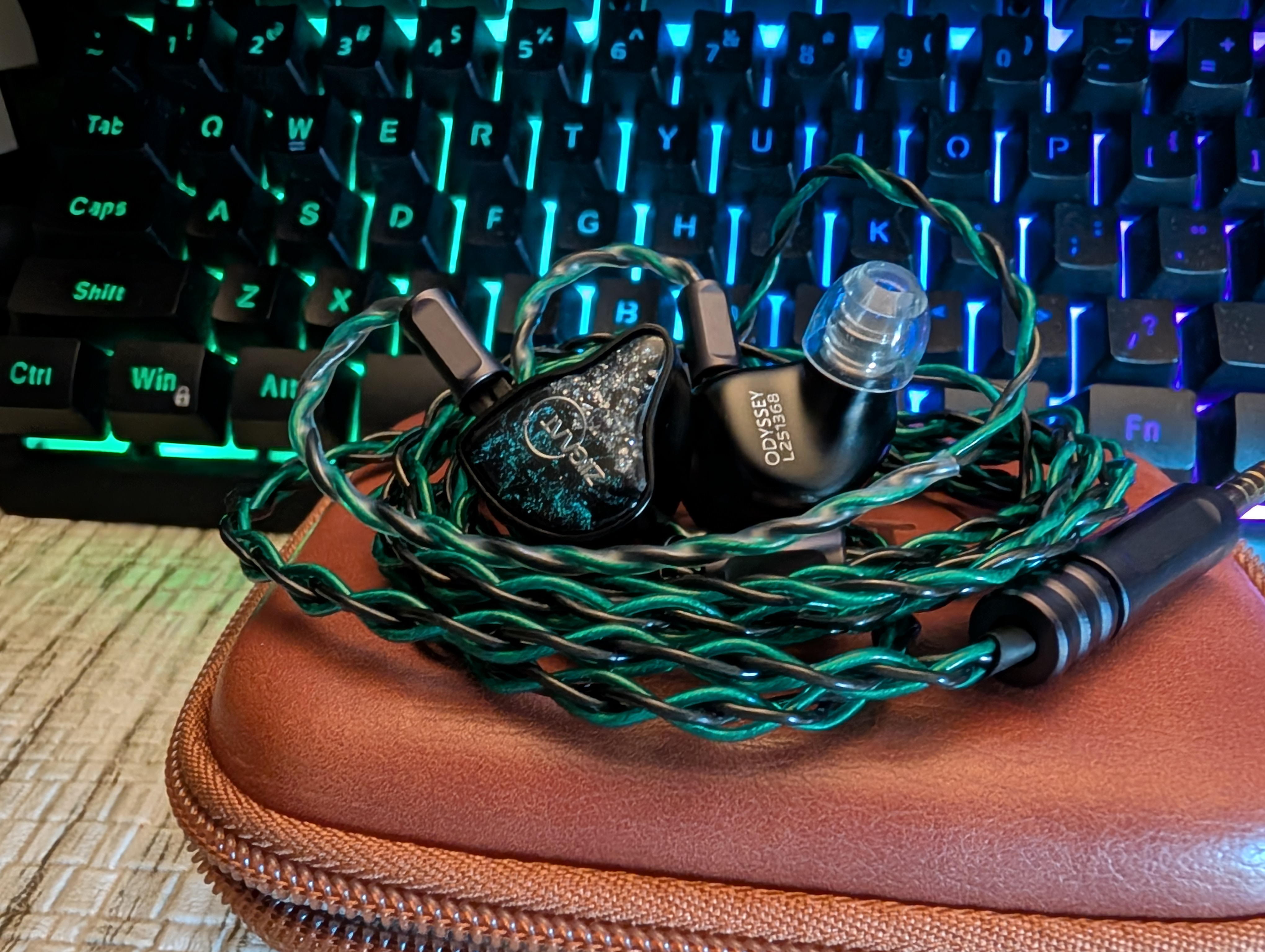
Let me start by saying Ziigaat is a company that recently caught my eye, my first IEM from them was the Cinno a warm and slightly dark sounding IEM with unique and natural tunning. They’ve gone from great budget offerings to major flagships in just a short time. The company has been on of my new favorites for a short time now with brands like KiwiEars, Dunu and Punch Audio. The Box is adorned with satisfactory information and graphics. Inside is the OD2 , a very large case, the nice but thin modular cable, tips of various sizes and the 3.5mm- 4.4mm connectors.  I would say the accessories are more than adequate. 

The build is stellar with its metal shell and beautifully made faceplate. Comfort is as expected from a flagship and should fit almost everyone nicely. I found the passive isolation very good with the stock tips included. 

Sound wise:

The lower end of the Odyssey-2 is profoundly delivered to my ears with precision and speed. The SubBass hits just right with a nice mix of texture and control, MidBass has the punchy vibe i am looking for without sacrificing the overall quality of the details. In short this is not a Bass cannon but rather the technical sniper shooting each hit to my eardrums with accuracy. 

The Midrange on the odyssey starts with warmth and a gradual lift to upper brightness but don’t let this scare you, you won’t find any harsh shouty vocals getting in the way of enjoyment here at all.  What this does is give you all the richness needed for male vocals to shine and the vivid female vocals to enjoy in one unit.  It makes the mids have a nice tonal balanced feeling and keeps them natural and grounded. 

The Treble of the Ziigaat is more towards relaxed and smooth with adequate air and sparkle, enough so to make you think there is more to it until it reaches the fast roll off. This makes it very safe for treble sensitive people and keeps your ears from harsh spikes and brighter equipment is still enjoyable with the OD2.

Technicals on the Ziigaat Odyssey 2 are impressive to say the least, well placed instruments with good details and separation, vocals in front of the instruments and a wide and immersive soundstage with great imaging top off the list of my likes. 

The Ziigaat OD2 is a more mature V-shaped IEM than the Bass heavy original, very competent and safe tunning that doesn’t bore me is a hard task but its accomplished well here and I like almost everything about this one. 

KiwiEars Serene

We will skip the unboxing, its sparse with just the unit and cable included. 

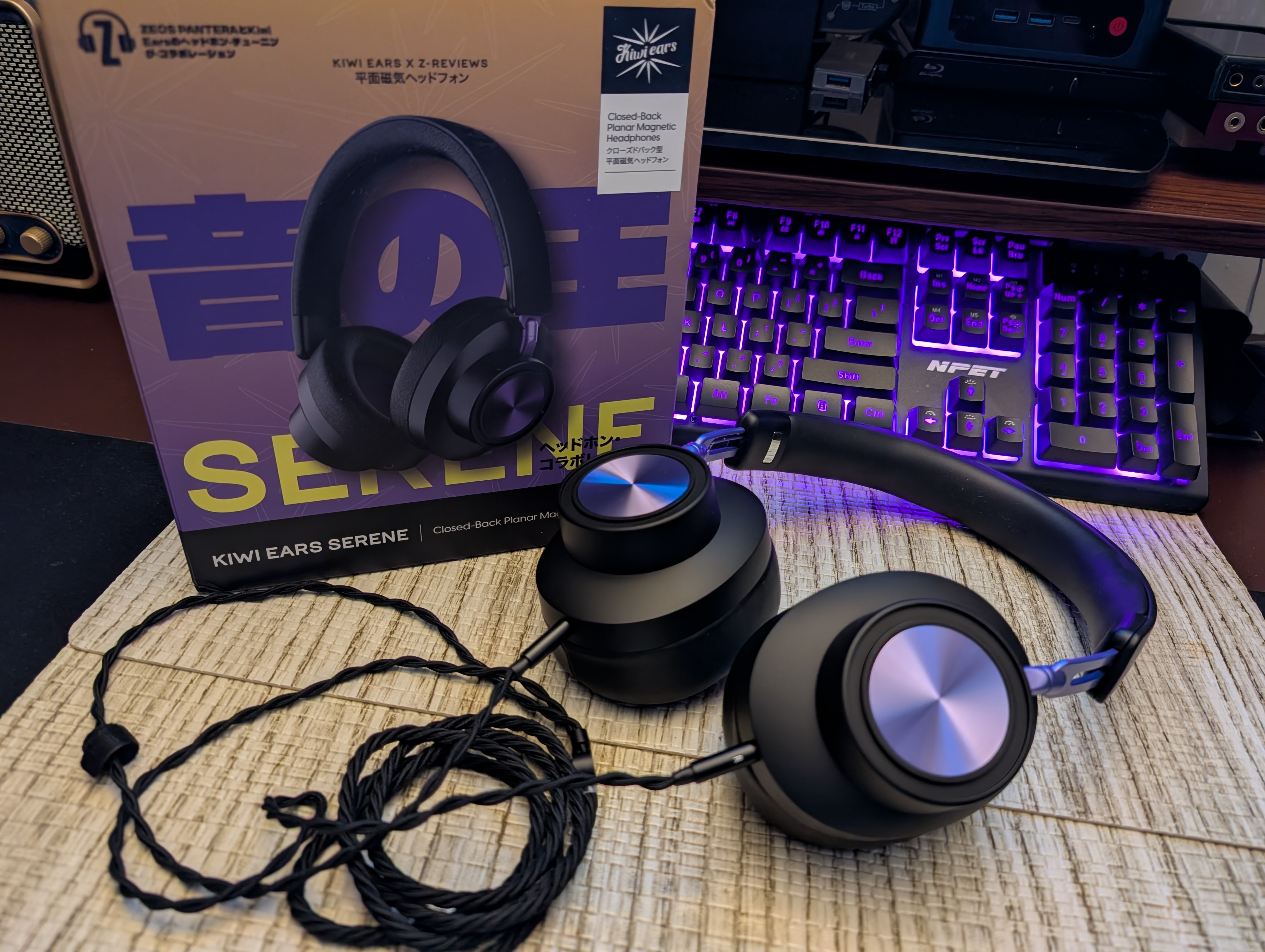
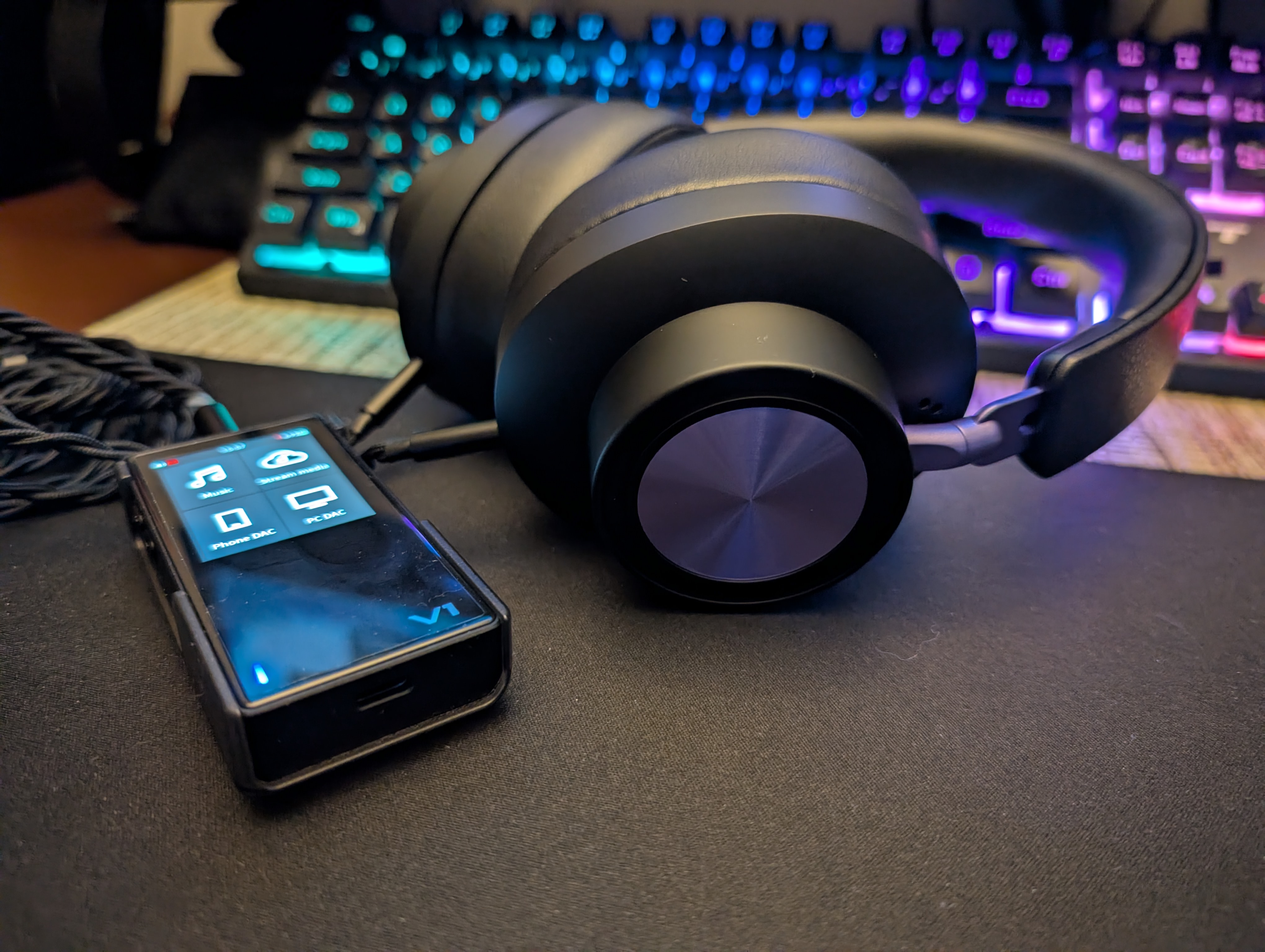
The build of the Serene is decent; there is a metal reinforcement behind the headband that extends to the adjustment and swivel point.  The pads are plush with a soft pillow-like quality and internally are oval shaped with enough room for average ears, those with larger ears will probably be touching the inner sides. The headband has minor padding, and the cloth covered cable is adequate but prone to kinks. no major creeks or rattles heard with just the headband making a pop each time i put it on. It’s not mad as well as my others for Kiwi for sure, I think it’s akin to oneodio honestly in build. 

It should be noted unlike the other reviews that had the early release model this is on the new larger driver gone is the 57.5mm x 51mm Planar Driver and now is replaced by a much larger new scaled-down/proprietary 72mm x 89mm driver.

Specs: Updated 
Driver Information

72mm x 89mm Planar Magnetic Driver
Impedance

50ohms±15% at 1kHz (DC)

F0 / Lowest Resonant Frequency

130Hz±20%

Sensitivity

102dB±3dB (at 1kHz, Test Voltage: 0.179V)

Rated Power

10mW

Maximum Power

20mW

Test Frequency Range

20Hz–20kHz

Voltage

0.57V

Total Harmonic Distortion (THD)

Less than 3%

Sonically the Serene is highly enjoyable and yet predictable. 

The warm lush lower end fills ones ears with Bass and texture. Although the Sub-Bass hits its rumble is short lived and falls behind the Mid-Bass punch and speed.  The Bass is well implemented and offers good control if properly fed.  

The Midrange on the Kiwi is warm and lush with good body and sounds natural, with just a minor recession in the upper midrange. both male and female vocals sounded good. They had enough energy and clarity to be enjoyed. 

The treble on the Serene is smooth and dark, like a rich cup of coffee. It’s not for treble enthusiasts, but it offers just a hint of sparkle and air—enough to be noticed without any harsh spikes. The soundstage and imaging are fair; the Serene has average width but good depth, with solid placement and decent detail.

In a nutshell:

The Kiwi Ears Serene is a warm rich mixture of safe and pleasant but dark tuning that could be listened to all day. It is made well and comfortable for most. 

Twistura D-minor

https://aoshida-audio.com/products/twistura-d-minor

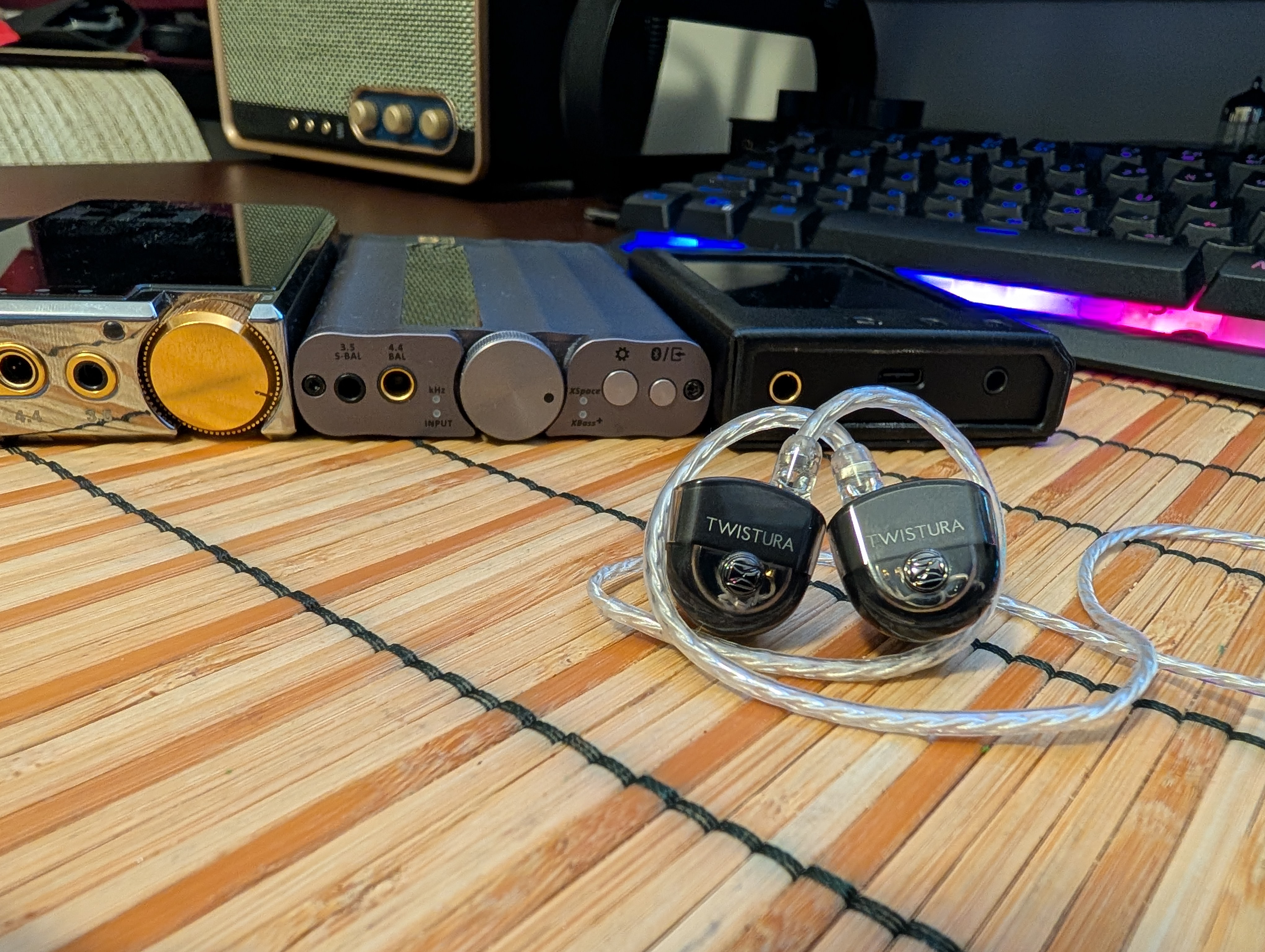
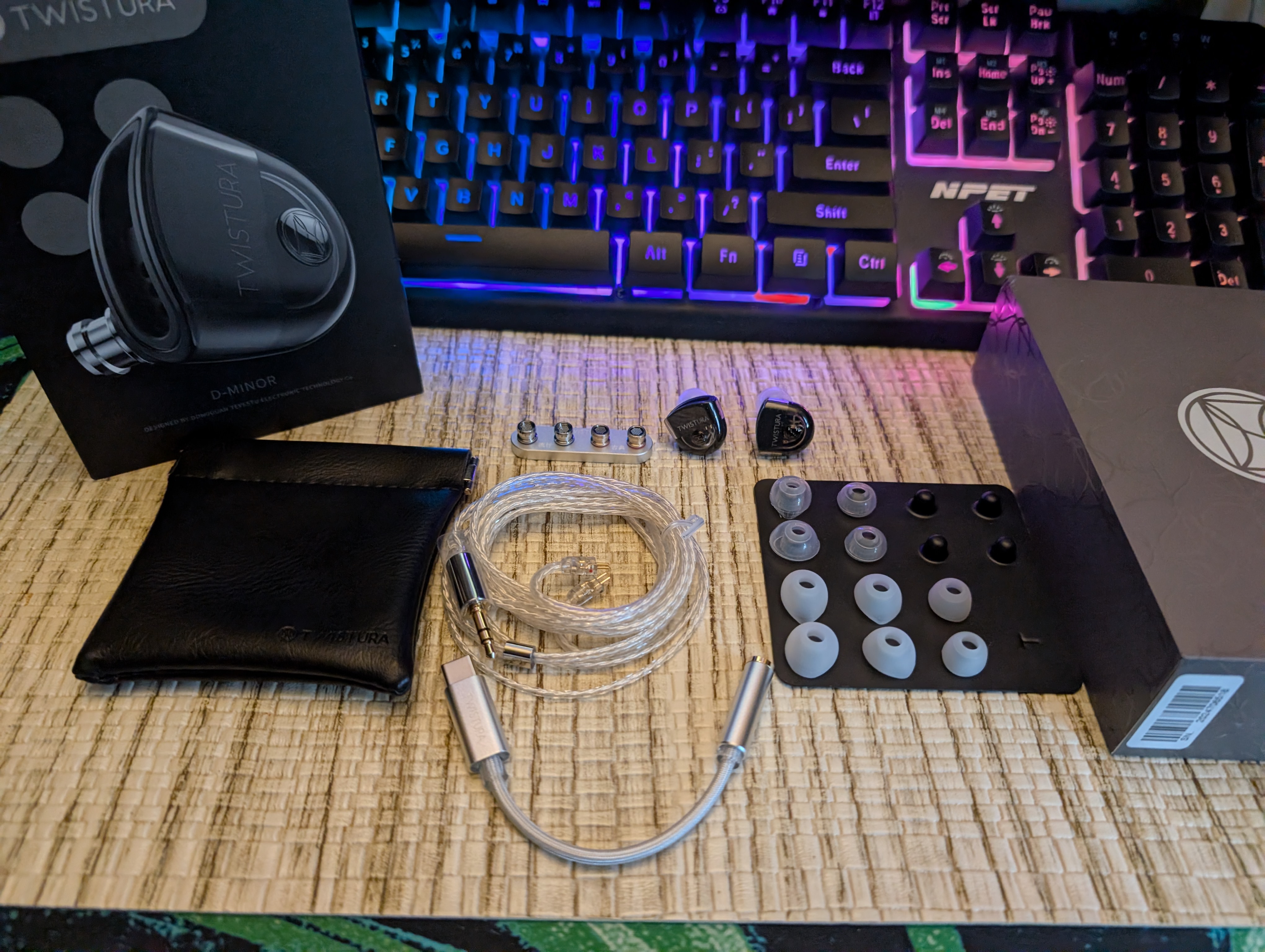
Let’s start with the unboxing, it was a nice experience indeed to find everything that comes with this sub $40 IEM.

Inside is a nice leather like pouch, two sets of tips in different sizes, a cable, the IEM, a set of different tuning nozzles and even a USB-C dongle. The shells are a unique U-shaped design with short nozzles, while it should be comfortable for most larger tips or using foam ones may help with isolation and fit issues. Its built well and was comfortable for me as is. 

Specs:
Brand: TWISTURA

Model: D-MINOR

Type: Replaceable Cable HiFi IEM

Driver Unit: 10mm Dual-Magnetic Dynamic Driver

Diaphragm Material: LCP Dome Composite Diaphragm

Impedance: 30Ω ± 3 (@1kHz)

Sensitivity: 108dB/Vrms (@1kHz)

Frequency Response: 15Hz-37kHz

Connector: 0.78mm 2-Pin

Cable Plug: 3.5mm Stereo Single-Ended Plug

Sonically the D-minor is a highly enjoyable and yet competent beyond its price point. 

The lower end delivers both power and precision, with the sub-bass offering a satisfying rumble and texture, even if it’s not aimed at bass heads. Mid-Bass presents with speed and a tight punchy response and has very minimal bleed into the midrange if any. 

The Midrange on the D-minor is of median weight and has a wonderful color and tone. Both Male and Female vocals are well represented here with a rich and perfect placement in front of the instruments. Separation and clarity are far better than expected. 

The Treble is perfectly controlled with a vivid extension that gives one all the air and sparkle without overextending itself.  I found the highs to be just right and natural sounding. 

Soundstage on the D-minor is wide and spacious with good height and depth, spot on accuracy with well-done imaging makes this even more amazing. 

In a nutshell:

The Twistura D-Minor is a uniquely designed IEM and easily one of the best-sounding options under $40 I’ve heard in a long time. It offers great value and could easily be a daily driver for any music lover.